Love this? Save it for later!
Share the inspiration with your friends
“I never thought a simple conversation with my barista would change how I eat forever,” I confessed to my friend one chilly morning. You see, last November, while waiting in line at our local coffee shop, I overheard a chat about someone’s journey with the Autoimmune Protocol (AIP). Honestly, I was skeptical at first. I mean, how could cutting out so many foods possibly help? But the barista’s glow and energy were undeniable.
That day, armed with curiosity and a scribbled list from a quick Google search, I decided to try the Wholesome Paleo AIP Autoimmune Protocol. It wasn’t just a diet but a way to reclaim my health after years of unexplained fatigue and odd flare-ups. Maybe you’ve been there—feeling stuck, unsure what to eat without endless trial and error. I remember the initial overwhelm, the countless tabs open on my phone, and the messy kitchen experiments that sometimes ended in burnt offerings (true story: I once forgot the timer and nearly set off the smoke alarm!).
This complete guide is the result of months spent refining recipes, learning what works (and what doesn’t), and finding a balance between healing and enjoying food. I’m excited to share it with you—not just as a list of rules, but as a practical, approachable way to embrace Wholesome Paleo AIP in your daily life. Let me tell you, this isn’t about sacrificing flavor or joy; it’s about rediscovering meals that nurture your body and soul. So, grab your apron, and let’s get started on this healing journey together.
Why You’ll Love This Recipe
After countless trials in my kitchen and feedback from fellow AIP enthusiasts, this Wholesome Paleo AIP Autoimmune Protocol guide stands out because it’s real and doable. Here’s why it might become your new favorite:
- Quick & Easy: Designed for busy lives, most recipes come together in under 30 minutes—perfect for hectic weekdays or when you just want comfort without fuss.
- Simple Ingredients: No need for obscure or expensive items; it’s packed with pantry staples and fresh produce you can find anywhere.
- Perfect for Healing: Tailored specifically for the AIP lifestyle, this guide respects autoimmune sensitivities while delivering rich, satisfying flavors.
- Crowd-Pleaser: Even non-AIP eaters love these recipes—think family dinners without the awkward substitutions or separate plates.
- Unbelievably Delicious: Balanced seasonings and creative techniques give you meals that make you forget you’re on a restrictive protocol.
What makes this guide different? Well, I’ve included tips like slow-roasting veggies to boost sweetness naturally and using bone broth for depth without added ingredients. Plus, there’s a special method for blending coconut cream into dressings that gives a silky texture without dairy. Honestly, this isn’t just another AIP cookbook; it’s the one you keep coming back to because it feels like home.
What Ingredients You Will Need
This Wholesome Paleo AIP Autoimmune Protocol recipe calls for a thoughtful selection of ingredients chosen to support healing and satisfy your taste buds. Most are easy to find and straightforward, making the switch to AIP less intimidating.
- For the Base:
- Coconut aminos (gluten-free soy sauce alternative, adds a savory umami kick)
- Extra virgin olive oil (preferably cold-pressed for best flavor)
- Fresh garlic (or garlic-infused oil if sensitive)
- Fresh ginger, grated (adds warmth and digestive support)
- Vegetables & Herbs:
- Carrots, peeled and diced (adds natural sweetness)
- Zucchini, chopped
- Butternut squash, cubed (great for creaminess and fiber)
- Fresh rosemary and thyme (aromatic, anti-inflammatory herbs)
- Spinach or kale, chopped (nutrient-dense greens)
- Proteins:
- Wild-caught salmon or organic chicken thighs (lean, nutrient-rich options)
- Bone broth (homemade or trusted brand like Kettle & Fire, adds collagen and minerals)
- Additional Flavor Boosters:
- Coconut cream (for creamy dressings or sauces)
- Sea salt (preferably Celtic or Himalayan for trace minerals)
- Lemon juice (freshly squeezed for brightness)
- Turmeric powder (anti-inflammatory powerhouse)
- Fresh cilantro or parsley (optional, for garnish and freshness)
If you need to swap ingredients, almond flour can replace cassava flour for a grain-free option, and coconut yogurt works well in place of dairy-based products. In summer months, fresh berries make a great addition to desserts or breakfasts, while winter calls for warming spices like cinnamon or clove.
Equipment Needed
Getting started with the Wholesome Paleo AIP Autoimmune Protocol is easier when you have the right tools—but don’t worry, nothing extravagant is required.
- Chef’s knife: Sharp and reliable for chopping veggies and herbs. I love mine from Victorinox; it’s affordable and keeps an edge.
- Cutting board: A sturdy wooden or plastic board that’s easy to clean.
- Large sauté pan or skillet: For browning proteins and roasting vegetables. Non-stick is optional, but a heavy-bottomed pan helps prevent burning.
- Blender or food processor: Essential for making creamy dressings and sauces. A basic model works fine.
- Measuring cups and spoons: Accuracy matters here, especially when balancing flavors and seasoning.
- Slow cooker or Instant Pot (optional): Great for effortless bone broth or stews if you prefer set-it-and-forget-it cooking.
For budget-friendly options, consider checking local thrift stores for quality pans or community swaps. Maintaining your knives with regular honing makes prep smoother and safer. Honestly, once you have these basics, you’re ready to roll.
Preparation Method
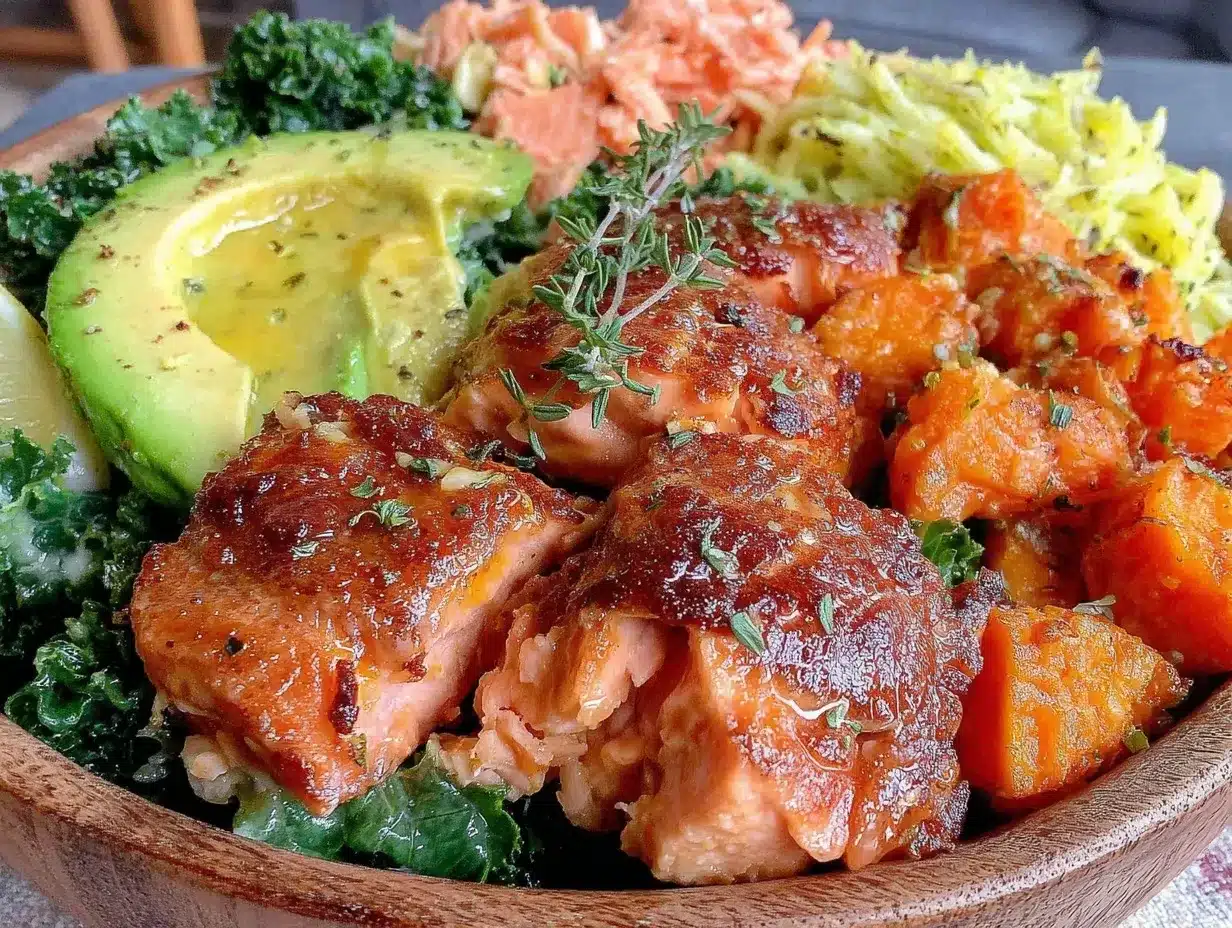
- Prep your ingredients (10-15 minutes): Rinse and chop all vegetables into bite-sized pieces. Peel and grate fresh ginger, and crush garlic cloves. If using chicken thighs, pat dry with paper towels to help them brown nicely.
- Make the bone broth base (if not pre-made) (15-20 minutes active, hours unattended): Simmer organic chicken bones or fish bones with water, a splash of apple cider vinegar, and aromatic veggies like celery and carrots. This step can be done ahead and refrigerated.
- Cook the proteins (10 minutes): Heat olive oil in your skillet over medium-high heat. Add chicken thighs or salmon, seasoning lightly with sea salt. Brown each side until golden and cooked through. Remove and set aside.
- Sauté the vegetables (8-10 minutes): Using the same pan, add more olive oil if needed. Toss in carrots, zucchini, and butternut squash. Stir occasionally until they start to soften and caramelize slightly. Add garlic and ginger during the last 2 minutes to avoid burning.
- Combine and simmer (5-7 minutes): Return proteins to the pan, pour in bone broth, and sprinkle turmeric and fresh herbs. Cover loosely and simmer on low until flavors meld and veggies are tender.
- Finish with greens and coconut cream (2-3 minutes): Stir in spinach or kale and a splash of coconut cream. Cook just until greens wilt. Adjust seasoning with lemon juice and sea salt to taste.
- Serve warm: Plate your dish with fresh cilantro or parsley garnish for a burst of freshness.
Tip: If the sauce seems too thin, simmer uncovered for a few extra minutes to thicken. Watch carefully to prevent burning. I once got distracted by a phone call during this step, and let’s just say it was a lesson learned!
Cooking Tips & Techniques
Mastering this Wholesome Paleo AIP Autoimmune Protocol recipe means understanding a few key cooking tricks.
- Use gentle heat for garlic and ginger: These ingredients burn easily, turning bitter. Add them toward the end of sautéing veggies for the best aroma.
- Pat proteins dry: This little step helps create a golden crust instead of steaming, improving texture and flavor.
- Slow-roast your butternut squash: If you have extra time, roasting squash separately in the oven caramelizes natural sugars, adding depth to the dish.
- Multitask wisely: While bone broth simmers, prep your veggies and proteins to save time.
- Consistency is key: Measuring your spices and liquids carefully ensures balanced flavor every time. I keep a small kitchen scale handy, which helps a ton.
- Don’t rush the simmering: Letting flavors meld for at least 5 minutes creates a richer profile that’s worth the wait.
One common mistake is overcrowding the pan during sautéing, causing veggies to steam instead of brown. Give them space for that lovely caramelization. Also, if you’re new to AIP cooking, don’t stress about perfection—sometimes the best meals come from happy accidents.
Variations & Adaptations
This guide is flexible and welcomes your personal touch. Here are some ways to make it your own:
- Seasonal swap: In spring or summer, replace butternut squash with fresh asparagus or green beans for a lighter feel.
- Dietary adjustments: For a stricter elimination phase, omit herbs and use garlic-infused oil to avoid potential irritants.
- Protein alternatives: Try grass-fed beef or turkey instead of chicken or salmon for variety.
- Cooking method: Use an Instant Pot to speed up the simmering step without losing depth of flavor.
- Personal twist: I once added a splash of fermented coconut aminos for tang and probiotics, which gave a surprising but delightful zing.
Feel free to experiment but keep track of how substitutions affect your body. The goal is nourishing and enjoyable meals that support your autoimmune journey.
Serving & Storage Suggestions
This dish shines best served warm, straight from the pan. I like to plate it with extra fresh herbs on top and a wedge of lemon to squeeze over just before eating—brightens everything up.
Pair it with light sides like steamed greens or a simple salad of arugula and avocado for a balanced meal. For beverages, herbal teas such as chamomile or ginger complement the flavors and support digestion.
Store leftovers in airtight containers in the refrigerator for up to 3 days. The flavors often deepen overnight, making next-day meals even tastier. For longer storage, freeze portions in freezer-safe bags for up to 2 months.
When reheating, do so gently over low heat or in a microwave at medium power to keep textures intact. Stir occasionally to prevent drying out. I’ve learned the hard way that overheating coconut cream can curdle it, so patience here pays off.
Nutritional Information & Benefits
This Wholesome Paleo AIP Autoimmune Protocol recipe delivers a nutrient-rich, anti-inflammatory meal packed with vitamins, minerals, and healing compounds.
| Nutrient | Per Serving |
|---|---|
| Calories | 350-400 kcal |
| Protein | 30-35 g |
| Fat | 18-22 g (healthy fats from olive oil and coconut cream) |
| Carbohydrates | 15-20 g (mostly from vegetables) |
| Fiber | 5-7 g |
Key ingredients like turmeric and ginger bring anti-inflammatory benefits, while bone broth supports gut health and joint repair. This recipe is naturally gluten-free, grain-free, and dairy-free, fitting well within paleo and AIP dietary guidelines.
As someone who’s navigated autoimmune challenges, I appreciate meals that heal without sacrificing flavor or satisfaction. This dish does just that.
Conclusion
Giving the Wholesome Paleo AIP Autoimmune Protocol a try feels like a fresh start—one where food becomes medicine and joy coexists with healing. This guide isn’t about rigid rules but about making this lifestyle manageable and delicious for you.
Feel free to tweak ingredients, swap proteins, and make it yours. The beauty lies in the flexibility and the nurturing nature of the meals you create. I love how this recipe has brought comfort during tough days and celebration during better ones.
Try it out, share your experiences, and don’t hesitate to leave a comment with your favorite variations or questions. Remember, every step you take toward nourishing your body counts—and I’m cheering you on every bite of the way!
Frequently Asked Questions
What exactly is the Autoimmune Protocol (AIP)?
AIP is a specialized version of the paleo diet designed to reduce inflammation and support healing in autoimmune conditions by eliminating potential trigger foods.
Can I follow this recipe if I’m new to paleo or AIP?
Absolutely! This guide is beginner-friendly with simple ingredients and clear steps to help you ease into the protocol without feeling overwhelmed.
Are substitutions allowed for sensitive ingredients?
Yes. For example, use garlic-infused oil instead of fresh garlic if you’re sensitive, or swap proteins to suit your preferences and tolerances.
How long should I follow the AIP diet?
It varies by individual, but many follow the elimination phase for 30-90 days before slowly reintroducing foods under guidance.
Is bone broth necessary in the recipe?
While not mandatory, bone broth adds nutrition and depth of flavor. You can substitute with vegetable broth if preferred, but homemade bone broth is highly beneficial.
Pin This Recipe!
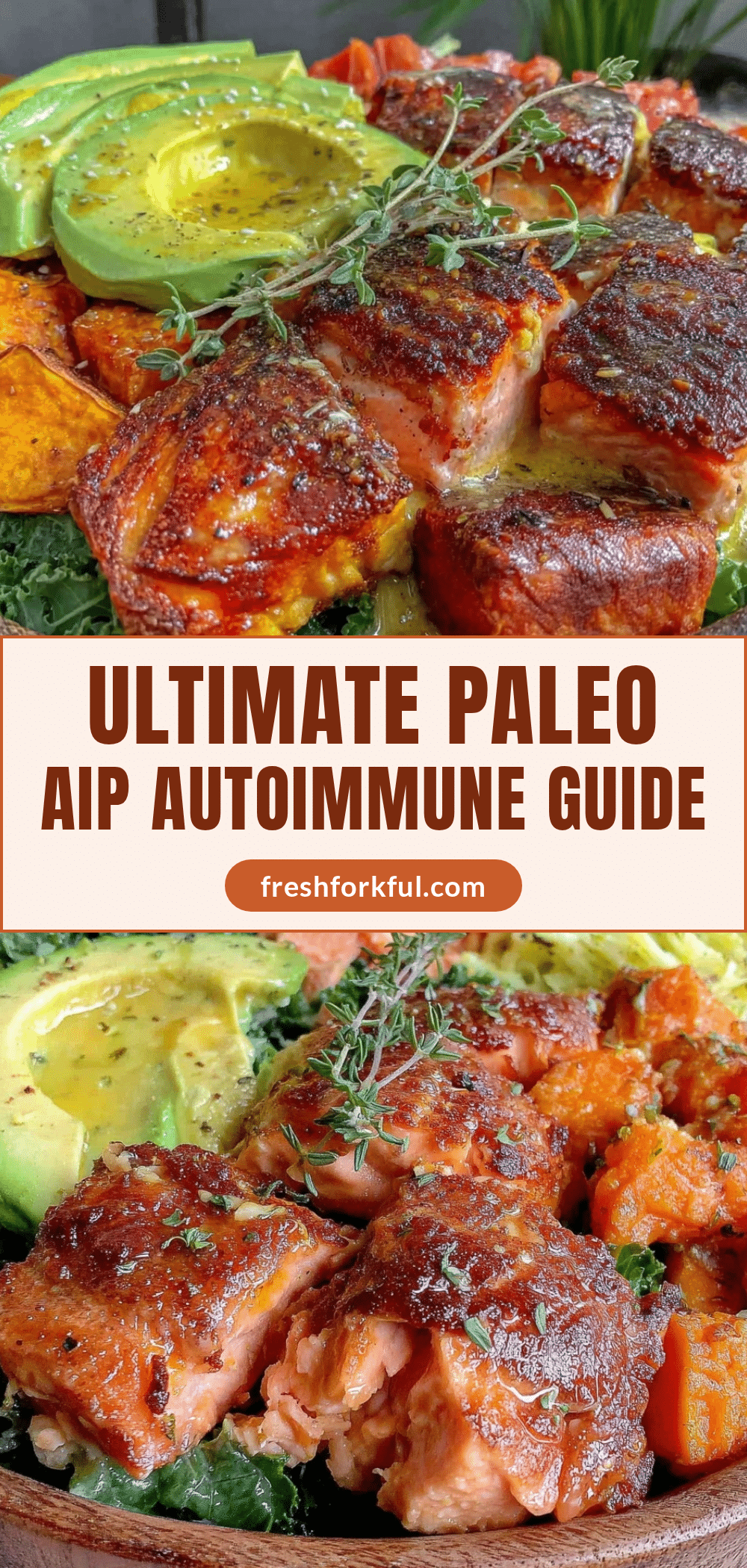
Wholesome Paleo AIP Autoimmune Protocol Guide Easy Steps for Beginners
A beginner-friendly, nutrient-rich recipe designed for the Autoimmune Protocol (AIP) lifestyle, featuring simple ingredients and easy steps to support healing and satisfy your taste buds.
- Prep Time: 15 minutes
- Cook Time: 30 minutes
- Total Time: 45 minutes
- Yield: 4 servings
- Category: Main Course
- Cuisine: Paleo, Autoimmune Protocol (AIP)
Ingredients
- Coconut aminos (gluten-free soy sauce alternative)
- Extra virgin olive oil (preferably cold-pressed)
- Fresh garlic or garlic-infused oil
- Fresh ginger, grated
- Carrots, peeled and diced
- Zucchini, chopped
- Butternut squash, cubed
- Fresh rosemary and thyme
- Spinach or kale, chopped
- Wild-caught salmon or organic chicken thighs
- Bone broth (homemade or trusted brand)
- Coconut cream
- Sea salt (preferably Celtic or Himalayan)
- Lemon juice, freshly squeezed
- Turmeric powder
- Fresh cilantro or parsley (optional)
Instructions
- Prep your ingredients (10-15 minutes): Rinse and chop all vegetables into bite-sized pieces. Peel and grate fresh ginger, and crush garlic cloves. If using chicken thighs, pat dry with paper towels.
- Make the bone broth base (if not pre-made) (15-20 minutes active, hours unattended): Simmer organic chicken or fish bones with water, a splash of apple cider vinegar, and aromatic veggies like celery and carrots. Refrigerate if made ahead.
- Cook the proteins (10 minutes): Heat olive oil in a skillet over medium-high heat. Add chicken thighs or salmon, season lightly with sea salt. Brown each side until golden and cooked through. Remove and set aside.
- Sauté the vegetables (8-10 minutes): In the same pan, add more olive oil if needed. Toss in carrots, zucchini, and butternut squash. Stir occasionally until they soften and caramelize slightly. Add garlic and ginger during the last 2 minutes.
- Combine and simmer (5-7 minutes): Return proteins to the pan, pour in bone broth, sprinkle turmeric and fresh herbs. Cover loosely and simmer on low until flavors meld and veggies are tender.
- Finish with greens and coconut cream (2-3 minutes): Stir in spinach or kale and a splash of coconut cream. Cook until greens wilt. Adjust seasoning with lemon juice and sea salt to taste.
- Serve warm with fresh cilantro or parsley garnish.
Notes
Use gentle heat for garlic and ginger to avoid bitterness. Pat proteins dry before cooking for better browning. Slow-roast butternut squash separately for enhanced sweetness. Avoid overcrowding the pan to allow caramelization. Simmer uncovered if sauce is too thin to thicken. Store leftovers in airtight containers for up to 3 days refrigerated or freeze up to 2 months. Reheat gently to avoid curdling coconut cream.
Nutrition
- Serving Size: 1 serving (approxima
- Calories: 350400
- Sugar: 57
- Sodium: 400600
- Fat: 1822
- Saturated Fat: 810
- Carbohydrates: 1520
- Fiber: 57
- Protein: 3035
Keywords: Paleo, AIP, Autoimmune Protocol, gluten-free, dairy-free, grain-free, healing recipe, bone broth, anti-inflammatory