Love this? Save it for later!
Share the inspiration with your friends
I still remember the exact moment I lost access to those pomegranate molasses glazed chicken thighs. There was this tiny Lebanese place tucked between a dry cleaner and a nail salon on the corner of Maple and Third—the kind of spot you’d walk past a hundred times without noticing. They called it something simple like “The Grill House,” but what they did with chicken was anything but simple. When they closed abruptly two summers ago—a “For Lease” sign appeared overnight—I actually felt a little panicked. That sweet-tart glaze with the sticky, caramelized edges and the tender meat underneath? I needed that in my life. After seven tries—seven!—I finally cracked it. The first batch I made for a dinner party, I literally watched a friend close her eyes after the first bite and say, “Where has this been my whole life?” Honestly, that’s when I knew I had it right. This recipe is the result of some serious obsession, and let me tell you, it’s worth every single attempt I made to get there. If you’ve ever had that one dish from a restaurant that just haunts your food memories, you know exactly what I’m talking about.
Why You’ll Love This Recipe
These pomegranate molasses glazed chicken thighs aren’t just another chicken recipe—they’re the kind of dish that makes people ask for the recipe before they’ve even finished eating. I’ve tested this for dinner parties, potlucks, and family gatherings, and it never fails to steal the show.
- Perfect for Hosting: You can prep everything hours before guests arrive. The glaze keeps beautifully, and the chicken practically cooks itself.
- Simple Ingredients: Nothing weird or hard to find. Pomegranate molasses is in most grocery stores now, and the rest is pantry stuff.
- Unforgettable Flavor: That sweet-sour glaze with a hint of warmth from the spices—it’s the kind of taste that lingers in the best way.
- Crowd-Pleaser: I’ve served this to picky eaters, spice skeptics, and people who “don’t really like chicken thighs.” Every single one went back for seconds.
- Stress-Free Showstopper: It looks incredibly fancy, but honestly? It’s one of the easiest things I make for company. The glaze does all the heavy lifting.
What makes this different from other glazed chicken recipes is the balance. Most lean too sweet or too sour. This one hits that perfect middle ground where the pomegranate molasses brings depth, the garlic adds savory punch, and the spices tie it all together. It’s comfort food that feels special, without the stress that usually comes with “special occasion” cooking.
What Ingredients You Will Need
This recipe relies on a handful of ingredients that work together to create something far greater than the sum of their parts. Most of these are staples in my kitchen now, and I bet you’ll feel the same after one batch.
- Bone-in, skin-on chicken thighs (8 pieces, about 3 pounds): This is non-negotiable for the best results. The bone keeps the meat juicy, and the skin gets beautifully crisp under the glaze. I prefer thighs from a local farm when I can get them, but any good-quality supermarket brand works.
- Pomegranate molasses (⅓ cup): The star of the show. Look for one with just pomegranate juice and sugar in the ingredients—no weird additives. I’ve tried a few brands, and Cortas is my go-to for consistent flavor and thickness.
- Olive oil (2 tablespoons): Helps the seasoning stick and encourages that golden-brown crust. Extra virgin is fine, but a light olive oil works just as well.
- Garlic (4 cloves, minced): Fresh garlic makes a difference here. The pre-minced stuff in jars just doesn’t deliver the same punch. Take the extra minute to mince it yourself.
- Honey (2 tablespoons): Balances the tartness of the pomegranate molasses and helps the glaze caramelize. Local honey adds a nice floral note, but any honey works.
- Dijon mustard (1 tablespoon): Adds a subtle tang and helps emulsify the glaze. Don’t skip it—you won’t taste mustard, but you’ll miss the complexity it brings.
- Smoked paprika (1 teaspoon): Gives the chicken a warm, smoky undertone that pairs beautifully with the sweet-tart glaze. Regular paprika works in a pinch, but smoked is worth seeking out.
- Ground cumin (½ teaspoon): A tiny amount that adds earthy depth without overpowering. It’s one of those ingredients that makes people ask, “What’s in this?”
- Salt and black pepper (to taste): I use kosher salt for its clean flavor and easy pinch control. About 1 teaspoon of salt and ½ teaspoon of pepper works for most palates.
- Fresh pomegranate seeds (for garnish, optional): Adds a pop of color and a fresh burst of sweetness. Totally optional, but guests love the visual.
- Fresh parsley or mint (for garnish, optional): A sprinkle of green makes the dish look restaurant-ready. Mint is especially nice with the pomegranate flavor.
Equipment Needed
You don’t need a fancy kitchen to pull this off. Here’s what I use every time I make this recipe:
- Large baking dish or sheet pan: A 9×13-inch baking dish works perfectly. A rimmed sheet pan is great too if you’re making a bigger batch for a party.
- Mixing bowl: For whisking together the glaze. Any medium bowl will do.
- Whisk: Helps emulsify the glaze ingredients smoothly. A fork works in a pinch, but a whisk is easier.
- Tongs: For flipping the chicken without tearing the skin. Silicone-tipped tongs are gentle on the baking dish.
- Basting brush: For brushing the glaze onto the chicken during cooking. A silicone brush is easy to clean and doesn’t shed bristles.
- Meat thermometer: Honestly, this is the most important tool. Chicken thighs are forgiving, but a thermometer guarantees perfect doneness every time. I use an instant-read digital one.
- Aluminum foil: For tenting the chicken if the skin browns too quickly. Also handy for easy cleanup.
I bought my baking dish from a thrift store for three dollars, and it’s my most-used pan. You really don’t need expensive equipment for food this good.
Preparation Method
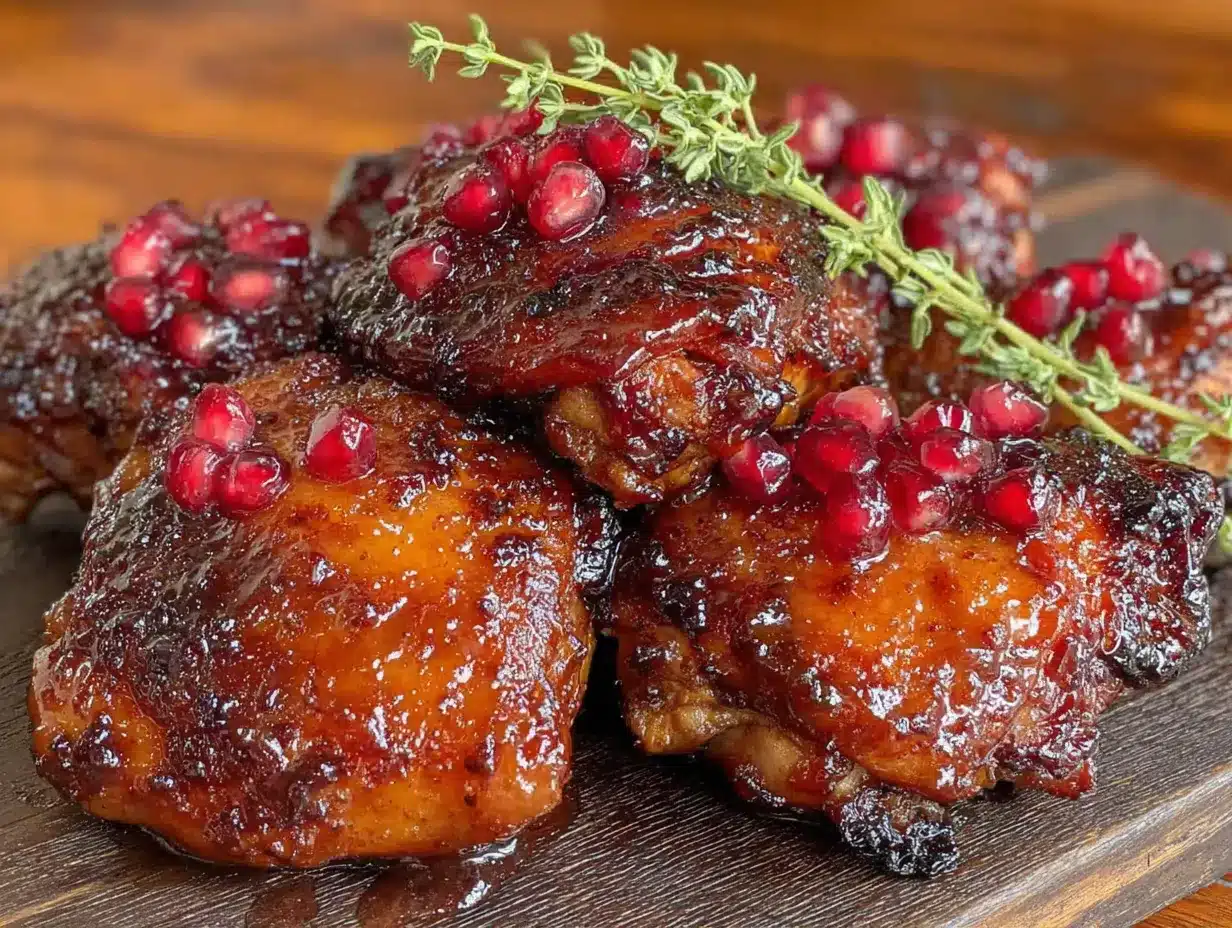
Let me walk you through this step by step. I’ve made this so many times that I’ve got the rhythm down, and I’ll share all the little tricks I’ve learned along the way.
- Preheat your oven to 400°F (200°C). Give it a full 15 minutes to come to temperature. A properly hot oven is key for getting that skin crispy.
- Pat the chicken thighs dry with paper towels. This is one of those steps that seems small but makes a huge difference. Dry skin = crispy skin. Don’t skip it, or you’ll end up with soggy results.
- Season the chicken generously with salt and pepper. I use about 1 teaspoon of kosher salt and ½ teaspoon of black pepper for 8 thighs. Sprinkle it on both sides, and don’t be shy—the bones mean you need a little more seasoning than you might think.
- Heat 1 tablespoon of olive oil in a large skillet over medium-high heat. Wait until the oil shimmers—that’s your cue that it’s hot enough. You want a nice sizzle when the chicken hits the pan.
- Sear the chicken thighs skin-side down for 4-5 minutes. Don’t move them around! Let them sit and develop that golden-brown crust. I know it’s tempting to peek, but trust the process. The skin should be deep golden and release easily from the pan when it’s ready.
- Flip and sear the other side for 2-3 minutes. This side doesn’t need as long. You’re just looking for a little color here.
- Transfer the seared chicken to your baking dish, skin-side up. Arrange them in a single layer with a little space between each piece. Crowding them will steam the skin instead of keeping it crisp.
- Make the glaze: In a small bowl, whisk together ⅓ cup pomegranate molasses, 2 tablespoons olive oil, 4 minced garlic cloves, 2 tablespoons honey, 1 tablespoon Dijon mustard, 1 teaspoon smoked paprika, and ½ teaspoon ground cumin. Whisk until everything is well combined and smooth. Taste it—it should be sweet, tangy, and a little savory. Adjust the honey or mustard to your liking.
- Brush about half the glaze over the chicken thighs. Use a basting brush to coat the skin evenly. Don’t dump it on—brushing gives you better control and a more even layer.
- Bake for 20 minutes. The chicken will start to render fat and the glaze will begin to set. Your kitchen will smell incredible at this point.
- Remove from the oven and brush with the remaining glaze. This second layer is what gives the chicken that gorgeous, sticky finish. Be gentle so you don’t disturb the skin.
- Return to the oven and bake for another 15-20 minutes. The chicken is done when the internal temperature reaches 165°F (74°C) at the thickest part, and the skin is caramelized and glossy. If the skin is browning too quickly, tent loosely with foil for the last 10 minutes.
- Let the chicken rest for 5 minutes before serving. This is crucial—it lets the juices redistribute so every bite is tender and moist. I know it’s hard to wait, but it makes a real difference.
- Sprinkle with fresh pomegranate seeds and chopped parsley or mint if using. This step is optional but adds a beautiful pop of color and freshness that balances the rich glaze.
The first time I made this, I forgot to sear the chicken first. The skin was pale and sad, and the glaze didn’t stick properly. Learn from my mistake—that searing step is non-negotiable for the best texture.
Cooking Tips & Techniques
After making this recipe more times than I can count, I’ve picked up a few tricks that make the process smoother and the results more consistent.
Don’t skip the sear. I know it’s an extra step and an extra pan to wash, but it’s what gives you that beautiful golden crust. The Maillard reaction—that browning that happens when protein hits hot fat—adds layers of flavor you just can’t get from baking alone.
Use a meat thermometer. Chicken thighs are more forgiving than breasts because they have more fat, but you still want to hit that 165°F (74°C) mark. I’ve pulled chicken too early and had to rush it back in the oven while guests waited. Not my finest moment. A thermometer takes the guesswork out completely.
Make the glaze ahead. You can whisk it together up to three days in advance and store it in the fridge. Let it come to room temperature before using, or warm it slightly so it brushes on easily. This is a huge time-saver when you’re hosting.
Double the recipe for a crowd. These thighs disappear fast at parties. I usually make 12-16 pieces for a dinner party of 8 people, and I still end up with empty platters. Just make sure you have a big enough baking dish and don’t overcrowd the pan.
Watch the sugar content. The honey and pomegranate molasses can burn if the oven is too hot or the chicken is too close to the top heating element. If you notice the glaze getting dark too quickly, tent with foil and lower the oven rack.
One time I forgot to line my baking dish with foil, and the glaze caramelized onto the pan so badly that I spent 20 minutes scrubbing. Now I always line it first for easy cleanup. Learn from my mistakes!
Variations & Adaptations
This recipe is flexible, and I’ve tried several variations depending on what I have on hand or who I’m cooking for.
Spicy Version: Add ½ teaspoon of red pepper flakes or a minced serrano pepper to the glaze. The heat cuts through the sweetness beautifully. I made this for a friend who loves spicy food, and she said it was the best chicken she’d ever had.
Herb-Infused Glaze: Stir in 2 tablespoons of chopped fresh rosemary or thyme when you make the glaze. The earthy herbs balance the sweet-tart flavors. This version is especially nice in the fall.
Dairy-Free Adaptation: This recipe is naturally dairy-free, so no changes needed. Just double-check your Dijon mustard—some brands add dairy, but most don’t.
Grilled Version: In summer, I take this outside. Sear the chicken on a hot grill over direct heat for 5-6 minutes per side, then move to indirect heat, brush with glaze, and cook for another 10-15 minutes until done. The smoky char adds another dimension.
Chicken Breast Option: If you prefer white meat, use boneless, skinless chicken breasts. Reduce the initial bake time to 15 minutes, then glaze and bake another 10-15 minutes. Watch the temperature carefully—breasts dry out faster than thighs.
I tried a version with orange juice instead of honey once, and it was good but not as sticky and caramelized. Stick with the honey for that signature glaze texture.
Serving & Storage Suggestions
These chicken thighs are versatile enough for casual weeknight dinners or fancy dinner parties. Here’s how I serve and store them.
Serving Temperature: Serve hot, straight from the oven. The glaze is at its best when it’s warm and glossy. Let the chicken rest for 5 minutes after baking so the juices settle.
What to Serve Alongside: I love pairing this with something that soaks up the extra glaze. Fluffy basmati rice pilaf is my go-to—the grains catch every drop of that sweet-tart sauce. A simple green salad with lemon vinaigrette cuts through the richness, and roasted vegetables like carrots or asparagus round out the meal. For a dinner party, I also serve warm pita bread and a yogurt dip on the side.
Presentation Tips for Guests: Arrange the chicken on a large platter, drizzle any remaining pan juices over the top, and sprinkle with fresh pomegranate seeds and chopped mint. The red and green against the golden chicken is stunning. Your guests will think you spent hours on presentation.
Storage: Leftover chicken keeps in an airtight container in the refrigerator for up to 4 days. The glaze will set as it cools, but it rewarms beautifully.
Reheating: The best way to reheat is in a 350°F (175°C) oven for 10-12 minutes. This keeps the skin crispy. The microwave works in a pinch, but the skin will be soft. For a quick fix, I sometimes shred the cold chicken and toss it into a salad or wrap.
Freezer Instructions: These freeze well for up to 3 months. Cool completely, wrap individually in plastic wrap, then place in a freezer bag. Thaw overnight in the fridge and reheat in the oven. The glaze might lose a bit of its shine, but the flavor is still fantastic.
The flavors actually deepen overnight. I’ve made this a day ahead for parties, and honestly, it’s even better the next day.
Nutritional Information & Benefits
Here’s the approximate nutritional breakdown for one chicken thigh (based on 8 servings):
| Nutrient | Amount per Serving |
|---|---|
| Calories | 320 |
| Protein | 22g |
| Fat | 18g |
| Saturated Fat | 5g |
| Carbohydrates | 14g |
| Fiber | 0g |
| Sugar | 12g |
| Sodium | 480mg |
Chicken thighs are a great source of protein, iron, and B vitamins. Pomegranate molasses contains antioxidants, though in smaller amounts than fresh pomegranate juice. The olive oil provides healthy monounsaturated fats. This recipe is naturally gluten-free and dairy-free, making it suitable for many dietary needs. If you’re watching sugar intake, you can reduce the honey to 1 tablespoon—the pomegranate molasses provides plenty of sweetness on its own.
Conclusion
These pomegranate molasses glazed chicken thighs are the recipe I turn to when I want to impress without the stress. They’re proof that you don’t need complicated techniques or hard-to-find ingredients to create something truly memorable. The sweet-tart glaze, the tender meat, the crispy skin—it all comes together in a dish that feels special enough for a dinner party but easy enough for a Tuesday night.
I love this recipe because it reminds me that sometimes the best things come from chasing a memory. That little Lebanese place might be gone, but those flavors live on in my kitchen—and now in yours too. Try it for your next gathering, and watch your guests’ faces light up. And when they ask for the recipe? Send them my way.
Have you made these chicken thighs? I’d love to hear how they turned out! Drop a comment below and let me know if you tried any variations. Don’t forget to share this recipe with a friend who loves hosting as much as you do.
Frequently Asked Questions
Can I use boneless chicken thighs instead?
Yes, but reduce the cooking time. Boneless thighs cook faster—check for doneness at the 25-minute mark. The skin won’t be as crispy without the bone structure, but the flavor will still be great.
Where can I find pomegranate molasses?
Most well-stocked grocery stores carry it in the international foods aisle or near the vinegars. Middle Eastern markets always have it. You can also find it online. If you’re in a pinch, you can make your own by simmering pomegranate juice with sugar until it thickens.
Can I make this recipe in advance for a party?
Absolutely. You can sear the chicken and make the glaze up to a day ahead. Keep them separate in the fridge, then assemble and bake when guests arrive. The chicken will need about 5 extra minutes in the oven since it’s starting from cold.
What if my glaze burns in the oven?
If you notice the glaze getting dark too quickly, tent the dish loosely with foil. You can also lower the oven temperature to 375°F (190°C) and bake a little longer. Every oven runs differently, so keep an eye on it the first time you make this.
Can I double this recipe?
Yes! This recipe doubles beautifully for larger gatherings. Use a bigger baking dish or two pans, and make sure the chicken isn’t crowded. You might need to add 5-10 minutes to the baking time. The glaze recipe doubles easily too.
PrintGuest-Favorite Pomegranate Molasses Chicken Thighs
These pomegranate molasses glazed chicken thighs are the perfect balance of sweet and tangy, with tender meat and crispy skin. An unforgettable dish that’s easy enough for weeknights but impressive enough for dinner parties.
- Prep Time: 15 minutes
- Cook Time: 40 minutes
- Total Time: 55 minutes
- Yield: 8 servings 1x
- Category: Main Course
- Cuisine: Middle Eastern
Ingredients
- 8 bone-in, skin-on chicken thighs (about 3 pounds)
- ⅓ cup pomegranate molasses
- 2 tablespoons olive oil
- 4 cloves garlic, minced
- 2 tablespoons honey
- 1 tablespoon Dijon mustard
- 1 teaspoon smoked paprika
- ½ teaspoon ground cumin
- 1 teaspoon kosher salt
- ½ teaspoon black pepper
- Fresh pomegranate seeds (for garnish, optional)
- Fresh parsley or mint (for garnish, optional)
Instructions
- Preheat your oven to 400°F (200°C).
- Pat the chicken thighs dry with paper towels.
- Season the chicken generously with salt and pepper on both sides.
- Heat 1 tablespoon of olive oil in a large skillet over medium-high heat until shimmering.
- Sear the chicken thighs skin-side down for 4-5 minutes until deep golden brown.
- Flip and sear the other side for 2-3 minutes.
- Transfer the seared chicken to a baking dish, skin-side up, in a single layer.
- In a small bowl, whisk together pomegranate molasses, remaining olive oil, minced garlic, honey, Dijon mustard, smoked paprika, and ground cumin until smooth.
- Brush about half the glaze over the chicken thighs.
- Bake for 20 minutes.
- Remove from the oven and brush with the remaining glaze.
- Return to the oven and bake for another 15-20 minutes until internal temperature reaches 165°F (74°C) and skin is caramelized.
- Let the chicken rest for 5 minutes before serving.
- Sprinkle with fresh pomegranate seeds and chopped parsley or mint if desired.
Notes
Don’t skip the searing step—it’s essential for crispy skin. Use a meat thermometer for perfect doneness. The glaze can be made up to 3 days ahead. If the skin browns too quickly, tent with foil. Leftovers keep in the fridge for up to 4 days and freeze for up to 3 months.
Nutrition
- Serving Size: 1 chicken thigh
- Calories: 320
- Sugar: 12
- Sodium: 480
- Fat: 18
- Saturated Fat: 5
- Carbohydrates: 14
- Protein: 22
Keywords: pomegranate molasses chicken, glazed chicken thighs, Middle Eastern chicken, dinner party recipe, easy chicken recipe