Love this? Save it for later!
Share the inspiration with your friends
This was supposed to be a simple roasted chicken dinner. I had the bird seasoned, the potatoes halved, and a beautiful butternut squash sitting on the counter destined to become a side dish. But somewhere between preheating the oven and answering my phone, I grabbed the wrong pot. Instead of a roasting pan, I pulled out my biggest skillet. The chicken went back in the fridge, and I stood there, holding a squash and feeling completely derailed. Honestly, I almost gave up and ordered pizza. But I had already chopped that squash, and I hate wasting food.
So I did what any mildly frustrated home cook would do—I threw the squash in the skillet with some butter and hoped for the best. I mean, butter makes everything better, right? The smell that filled my kitchen was the first clue I was onto something. It was nutty, sweet, and deeply comforting. I boiled some pasta, tossed it all together, and took a bite standing at the counter. Let me tell you, I was not prepared for how good it was. The brown butter coated every piece of squash, and the pasta soaked up all that rich flavor. It was cozy in a way that made me forget the original plan completely.
Maybe you’ve had one of those nights where the kitchen fights back, and you just roll with it. That’s the energy this recipe was born from. It’s not fancy or complicated. It’s the kind of pasta that feels like a warm hug on a chilly evening, and I’ve been making it on purpose ever since. Because sometimes the best recipes come from completely messing up the plan.
Why You’ll Love This Recipe
I’ve tested this cozy butternut squash pasta more times than I can count, and every single batch has been devoured. It’s one of those rare dishes that feels both indulgent and wholesome at the same time. The brown butter is the real hero here—it adds a nutty depth that you just can’t get from regular melted butter.
- Quick & Easy: From start to finish, this comes together in about 30 minutes. Perfect for those busy weeknights when you need something satisfying fast.
- Simple Ingredients: You likely have most of these in your pantry right now. No fancy trips to specialty stores required.
- Perfect for Cozy Evenings: This is the ultimate fall and winter comfort food. It’s great for a quiet dinner at home or when you need to impress guests without stress.
- Crowd-Pleaser: I’ve served this to kids, picky eaters, and serious foodies. Everyone goes back for seconds.
- Unbelievably Delicious: The combination of sweet squash, nutty brown butter, and tender pasta is pure magic. It’s the kind of dish that makes you close your eyes after the first bite.
What makes this version different from the rest? It’s the technique. Most recipes roast the squash separately, but I cook it right in the brown butter. This means every single piece gets caramelized and coated in that rich flavor. Plus, I add a pinch of nutmeg and sage that ties everything together beautifully. It’s comfort food reimagined—faster, richer, and with the same soul-soothing satisfaction.
What Ingredients You Will Need
This cozy butternut squash pasta uses simple, wholesome ingredients to deliver bold flavor and satisfying texture without the fuss. Most of these are pantry staples, especially during the fall and winter months.
- Butternut Squash (1 medium, about 3 cups diced): Look for one that feels heavy for its size with firm skin. I prefer to buy pre-cut cubes from the store when I’m in a hurry, but fresh is always best for texture.
- Pasta (12 ounces, any short shape): I recommend rigatoni, penne, or farfalle. The ridges and curves catch the brown butter sauce beautifully. My personal favorite is rigatoni from De Cecco—it holds up well and has a great bite.
- Unsalted Butter (4 tablespoons): This is non-negotiable for the brown butter. Don’t use margarine or spreads; they won’t brown properly and will change the flavor entirely.
- Fresh Sage Leaves (8-10 leaves): Sage and brown butter are a classic pairing. If you can’t find fresh, use 1 teaspoon of dried sage, but add it at the end to avoid bitterness.
- Garlic (3 cloves, minced): Fresh garlic is key here. Pre-minced jarred garlic can burn too quickly in the brown butter.
- Vegetable Broth (1/2 cup): This helps deglaze the pan and creates a light sauce. Use low-sodium so you can control the salt level.
- Heavy Cream (1/4 cup): Optional, but it adds a luscious richness. For a dairy-free version, use full-fat coconut milk.
- Parmesan Cheese (1/2 cup, freshly grated): Please skip the pre-shredded stuff. Freshly grated parmesan melts so much better and adds a salty, nutty finish.
- Salt and Black Pepper (to taste): I use kosher salt for cooking and flaky sea salt for finishing.
- Nutmeg (1/4 teaspoon, freshly grated if possible): Just a pinch brings out the sweetness of the squash without being overpowering.
- Red Pepper Flakes (optional, 1/4 teaspoon): For a tiny kick of heat that balances the sweetness.
Equipment Needed
You don’t need a lot of fancy tools for this recipe, which is part of its charm. Here’s what you’ll need:
- Large Skillet (12-inch): A heavy-bottomed skillet works best for even browning. I use my trusty cast iron, but a stainless steel or non-stick pan works great too.
- Large Pot (for boiling pasta): Any pot will do, but make sure it’s big enough for the pasta to move freely.
- Sharp Knife: Butternut squash can be tough to cut. A sharp chef’s knife makes the job much safer and easier.
- Cutting Board: A sturdy board is essential. I prefer wood, but plastic works fine.
- Wooden Spoon or Silicone Spatula: For stirring the brown butter and pasta. Metal can scratch non-stick pans.
- Colander: For draining the pasta. Don’t forget to reserve some pasta water!
- Measuring Cups and Spoons: Accuracy matters for the broth and cream.
If you don’t have a large skillet, you can use a Dutch oven instead. Just be careful with the heat distribution. And if you’re short on time, pre-cut squash from the store is a total lifesaver.
Preparation Method
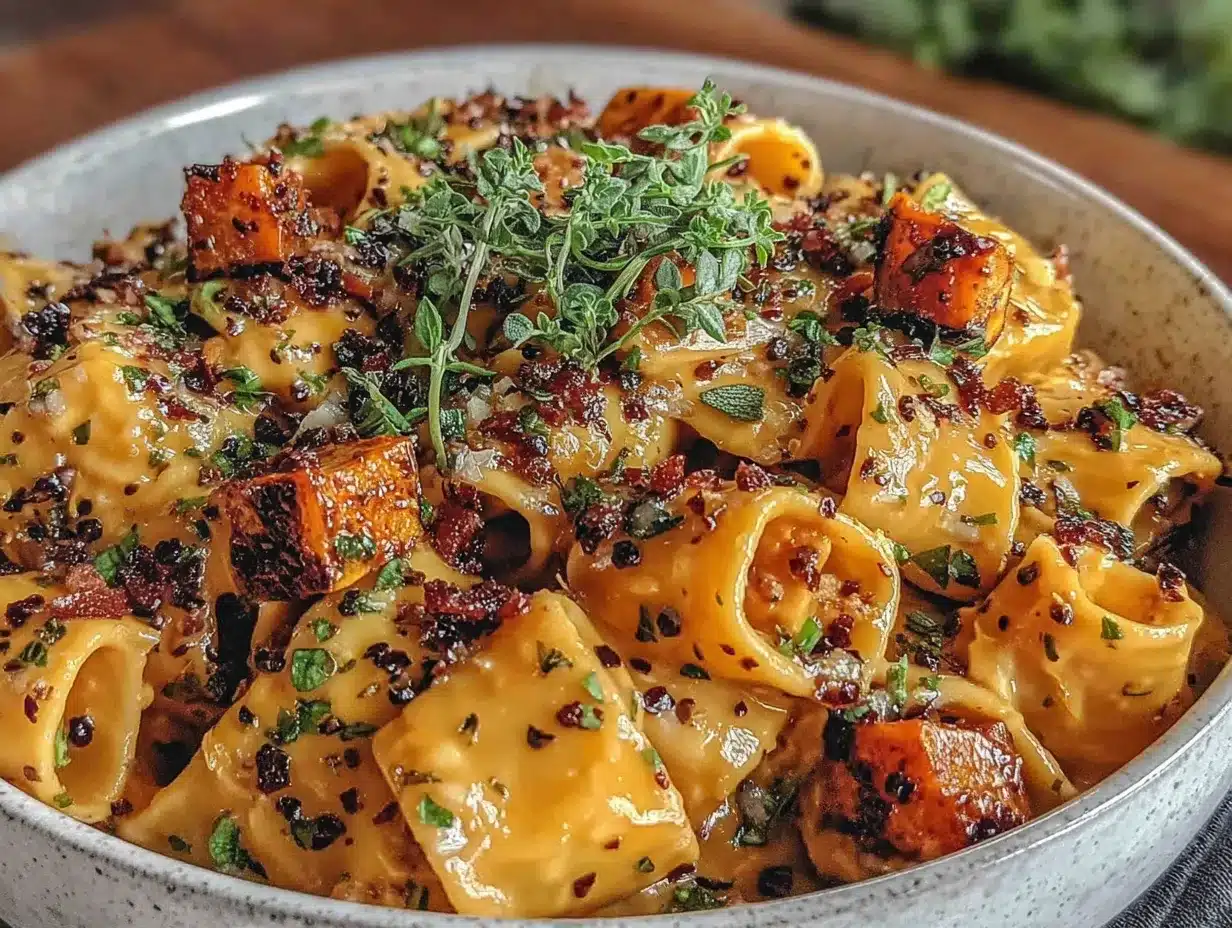
Let’s get cooking! This cozy butternut squash pasta comes together in about 30 minutes, and I’ll walk you through every step.
- Prep the Squash: Start by peeling the butternut squash with a vegetable peeler. Cut off the top and bottom, then slice it in half lengthwise. Scoop out the seeds with a spoon. Dice the squash into 1/2-inch cubes. You should have about 3 cups. (Pro tip: If the squash feels too hard to cut, microwave it whole for 2 minutes to soften it slightly.)
- Boil the Pasta: Fill your large pot with water and bring it to a rolling boil. Add a generous tablespoon of salt—the water should taste like the sea. Add the pasta and cook according to package directions until al dente. Reserve 1 cup of pasta water before draining. Set the drained pasta aside.
- Start the Brown Butter: While the pasta cooks, place your large skillet over medium heat. Add the 4 tablespoons of unsalted butter. Let it melt completely, then swirl the pan occasionally. The butter will start to foam and sizzle. Watch carefully—it will go from golden to a deep amber color with a nutty aroma in about 3-4 minutes. As soon as you see brown specks forming at the bottom, add the fresh sage leaves. They’ll crisp up in about 30 seconds. Remove the sage leaves and set them aside for garnish.
- Cook the Squash: Add the diced butternut squash to the brown butter. Stir to coat every piece. Let it cook undisturbed for 3-4 minutes so it gets a nice golden crust. Then stir and cook for another 5-6 minutes, until the squash is fork-tender and caramelized on the edges. The brown butter will cling to the squash, making it incredibly flavorful.
- Add Garlic and Seasonings: Push the squash to one side of the skillet. Add the minced garlic and cook for 30 seconds until fragrant. Stir it into the squash. Sprinkle in the nutmeg, a pinch of salt, and black pepper. If you’re using red pepper flakes, add them now.
- Create the Sauce: Pour in the 1/2 cup of vegetable broth. Use your wooden spoon to scrape up any browned bits from the bottom of the pan—that’s pure flavor. Let it simmer for 1-2 minutes until slightly reduced. If you’re using heavy cream, stir it in now and let it warm through for another minute.
- Combine Everything: Add the cooked pasta to the skillet with the squash and sauce. Toss everything together gently. If the sauce seems too thick, add the reserved pasta water a little at a time until it reaches your desired consistency. You want it to coat the pasta nicely without being soupy.
- Finish with Cheese: Remove the skillet from the heat. Sprinkle in the freshly grated parmesan cheese and toss until melted and creamy. Taste and adjust salt and pepper as needed.
- Serve Immediately: Divide the pasta among bowls. Crumble the reserved crispy sage leaves on top. Add an extra sprinkle of parmesan and a pinch of flaky sea salt if you’re feeling fancy. Serve hot and enjoy every bite.
Cooking Tips & Techniques
Making brown butter can be intimidating the first time, but I promise it’s easier than it looks. The key is to stay patient and watch the pan, not your phone. I’ve burned my fair share of butter while scrolling through Instagram—don’t be like me.
One mistake I used to make was cutting the squash too small. Tiny pieces burn faster in the brown butter and turn mushy. Aim for 1/2-inch cubes, and give them space in the pan. If the skillet is too crowded, the squash will steam instead of caramelize. Cook in batches if you need to.
Another tip: reserve more pasta water than you think you’ll need. That starchy liquid is liquid gold for adjusting the sauce. I usually save a full cup and end up using about half of it. The rest goes into my next soup or sauce.
Timing is everything with this dish. Start the pasta water first, then prep the squash while it comes to a boil. By the time the pasta is done, your brown butter and squash should be ready to go. It’s a beautiful dance of multitasking that makes you feel like a pro.
For the best texture, don’t overcook the pasta. Al dente is the way to go because it will continue to cook slightly when you toss it with the hot sauce. And always, always use freshly grated parmesan. The pre-shredded stuff has anti-caking agents that prevent it from melting smoothly. Trust me on this one.
Variations & Adaptations
This cozy butternut squash pasta is incredibly versatile. Here are some ways to make it your own:
- Make it Vegan: Substitute the butter with vegan butter or coconut oil. Use nutritional yeast instead of parmesan, and swap the heavy cream for full-fat coconut milk. The flavor will be slightly different, but still delicious.
- Add Protein: Toss in some cooked Italian sausage, crispy bacon, or shredded rotisserie chicken. I’ve added leftover roasted chicken before, and it turned this into a hearty one-dish meal.
- Try Different Squash: No butternut squash? No problem. Acorn squash, delicata squash, or even pumpkin work beautifully. Just adjust the cooking time slightly since different squash varieties cook at different rates.
- Go Gluten-Free: Use your favorite gluten-free pasta. Brown rice pasta or chickpea pasta hold up well in this dish. Just be careful not to overcook them.
- Add Greens: Stir in a handful of fresh spinach or kale at the end. The residual heat will wilt them perfectly. It’s an easy way to add more nutrients and color.
- Spice It Up: For a smoky twist, add 1/2 teaspoon of smoked paprika along with the nutmeg. It adds a warm, earthy depth that pairs beautifully with the brown butter.
My personal favorite variation is adding crispy pancetta. I cook the pancetta first, remove it from the pan, and then make the brown butter in the same pan. The rendered fat adds another layer of savory goodness. It’s indulgent, but worth every calorie.
Serving & Storage Suggestions
This cozy butternut squash pasta is best served immediately while the sauce is creamy and the squash is tender. I like to serve it in wide, shallow bowls so the sauce doesn’t pool at the bottom. Top it with the crispy sage leaves and a generous shower of freshly grated parmesan.
For a complete meal, pair it with a simple arugula salad dressed with lemon vinaigrette. The peppery greens cut through the richness of the pasta beautifully. A glass of crisp white wine, like a Sauvignon Blanc or Pinot Grigio, complements the nutty brown butter perfectly. If you prefer red, go with a light Pinot Noir.
Leftovers store well in an airtight container in the refrigerator for up to 3 days. The pasta will absorb some of the sauce as it sits, so don’t expect it to be as saucy the next day. To reheat, add a splash of milk or broth to a skillet and warm the pasta over medium-low heat, stirring gently. You can also microwave it in 30-second bursts, stirring between each, until heated through.
I don’t recommend freezing this dish. The cream sauce can separate and become grainy when thawed, and the squash will turn mushy. If you absolutely must freeze it, leave out the cream and parmesan, then add them fresh when reheating.
The flavors actually deepen overnight. I’ve found that the second-day leftovers taste even more comforting, with the brown butter flavor infusing every piece of pasta. It’s the kind of dish that gets better with time, like a good soup or stew.
Nutritional Information & Benefits
Here’s the approximate nutritional breakdown for one serving (based on 4 servings):
- Calories: 480
- Protein: 14g
- Fat: 18g
- Carbohydrates: 65g
- Fiber: 6g
- Sugar: 8g
- Sodium: 520mg
Butternut squash is packed with vitamin A, vitamin C, and fiber. It’s also a great source of potassium and magnesium. The brown butter adds healthy fats that help your body absorb the fat-soluble vitamins from the squash. And the sage? It’s been used for centuries to aid digestion.
This dish is vegetarian as written and can easily be made vegan or gluten-free with the substitutions I mentioned earlier. It contains dairy from the butter, cream, and parmesan, so it’s not suitable for those with dairy allergies. The pasta contains gluten unless you use a gluten-free variety.
I personally love that this recipe feels indulgent but is actually quite balanced. You get a good mix of carbs, protein, and healthy fats, plus a serving of vegetables. It’s comfort food that doesn’t leave you feeling heavy or sluggish.
Conclusion
This cozy butternut squash pasta with brown butter is proof that the best recipes often come from happy accidents. What started as a derailed dinner plan turned into one of my most-requested dishes. It’s simple enough for a Tuesday night but special enough for company. The brown butter, caramelized squash, and tender pasta come together in a way that feels both familiar and exciting.
I love that this recipe is forgiving. You can swap ingredients, adjust the seasonings, or add your favorite protein. It’s a canvas for your creativity, and every version I’ve tried has been delicious. That’s the beauty of cooking—you can make it your own.
I’d love to hear how yours turns out. Did you try a variation? Add something unexpected? Share your experience in the comments below. And if you loved this recipe, please share it with a friend who needs a little cozy comfort in their life. Happy cooking, friends!
Frequently Asked Questions
Can I use frozen butternut squash instead of fresh?
Yes, you can use frozen butternut squash. Just thaw it first and pat it dry with paper towels to remove excess moisture. Frozen squash tends to be softer, so it will cook faster and may not caramelize as well. Keep an eye on it to prevent mushiness.
How do I know when the brown butter is ready?
The brown butter is ready when it turns a deep amber color and smells nutty and toasty. You’ll see small brown specks forming at the bottom of the pan. This happens quickly, so don’t walk away from the stove. If it starts to smell burnt, you’ve gone too far.
Can I make this recipe dairy-free?
Absolutely! Use vegan butter or coconut oil instead of regular butter. Swap the heavy cream for full-fat coconut milk, and use nutritional yeast or a dairy-free parmesan alternative. The flavor will be slightly different, but still delicious and creamy.
What pasta shape works best for this recipe?
Short pasta shapes with ridges or curves work best because they catch the brown butter sauce. Rigatoni, penne, farfalle, and fusilli are all excellent choices. Avoid long, thin pasta like spaghetti or angel hair, as they don’t hold the sauce as well.
Can I prepare this dish ahead of time?
You can prep the ingredients ahead of time—dice the squash, grate the parmesan, and measure out the other ingredients. But I recommend cooking the pasta and sauce fresh for the best texture. If you have leftovers, they reheat well with a splash of broth or milk.
PrintEasy Cozy Butternut Squash Pasta with Brown Butter

A quick and easy pasta dish featuring caramelized butternut squash in a nutty brown butter sauce with sage and parmesan. Perfect for cozy fall and winter evenings.
- Prep Time: 10 minutes
- Cook Time: 20 minutes
- Total Time: 30 minutes
- Yield: 4 servings 1x
- Category: Main Course
- Cuisine: American
Ingredients
- 1 medium butternut squash (about 3 cups diced)
- 12 ounces short pasta (rigatoni, penne, or farfalle)
- 4 tablespoons unsalted butter
- 8–10 fresh sage leaves
- 3 cloves garlic, minced
- 1/2 cup low-sodium vegetable broth
- 1/4 cup heavy cream (optional)
- 1/2 cup freshly grated Parmesan cheese
- Salt and black pepper to taste
- 1/4 teaspoon freshly grated nutmeg
- 1/4 teaspoon red pepper flakes (optional)
Instructions
- Peel the butternut squash, cut in half lengthwise, scoop out seeds, and dice into 1/2-inch cubes (about 3 cups).
- Bring a large pot of salted water to a boil. Cook pasta according to package directions until al dente. Reserve 1 cup pasta water, then drain.
- In a large skillet over medium heat, melt the butter. Swirl occasionally until it turns deep amber and smells nutty, about 3-4 minutes. Add sage leaves and cook until crisp, about 30 seconds. Remove sage and set aside.
- Add diced squash to the brown butter. Cook undisturbed for 3-4 minutes, then stir and cook 5-6 minutes more until fork-tender and caramelized.
- Push squash to one side, add minced garlic, and cook 30 seconds until fragrant. Stir in nutmeg, salt, pepper, and red pepper flakes (if using).
- Pour in vegetable broth, scraping up browned bits. Simmer 1-2 minutes until slightly reduced. Stir in heavy cream (if using) and warm through.
- Add cooked pasta to the skillet and toss to combine. Add reserved pasta water a little at a time until desired consistency is reached.
- Remove from heat, sprinkle in Parmesan cheese, and toss until melted and creamy. Adjust seasoning to taste.
- Serve immediately, topped with crispy sage leaves and extra Parmesan.
Notes
For best results, use freshly grated Parmesan and watch the brown butter carefully to avoid burning. Reserve more pasta water than you think you’ll need. Leftovers keep in the refrigerator for up to 3 days; reheat with a splash of milk or broth.
Nutrition
- Serving Size: 1 serving
- Calories: 480
- Sugar: 8
- Sodium: 520
- Fat: 18
- Saturated Fat: 10
- Carbohydrates: 65
- Fiber: 6
- Protein: 14
Keywords: butternut squash pasta, brown butter pasta, easy pasta recipe, fall pasta, cozy pasta, vegetarian pasta