Love this? Save it for later!
Share the inspiration with your friends
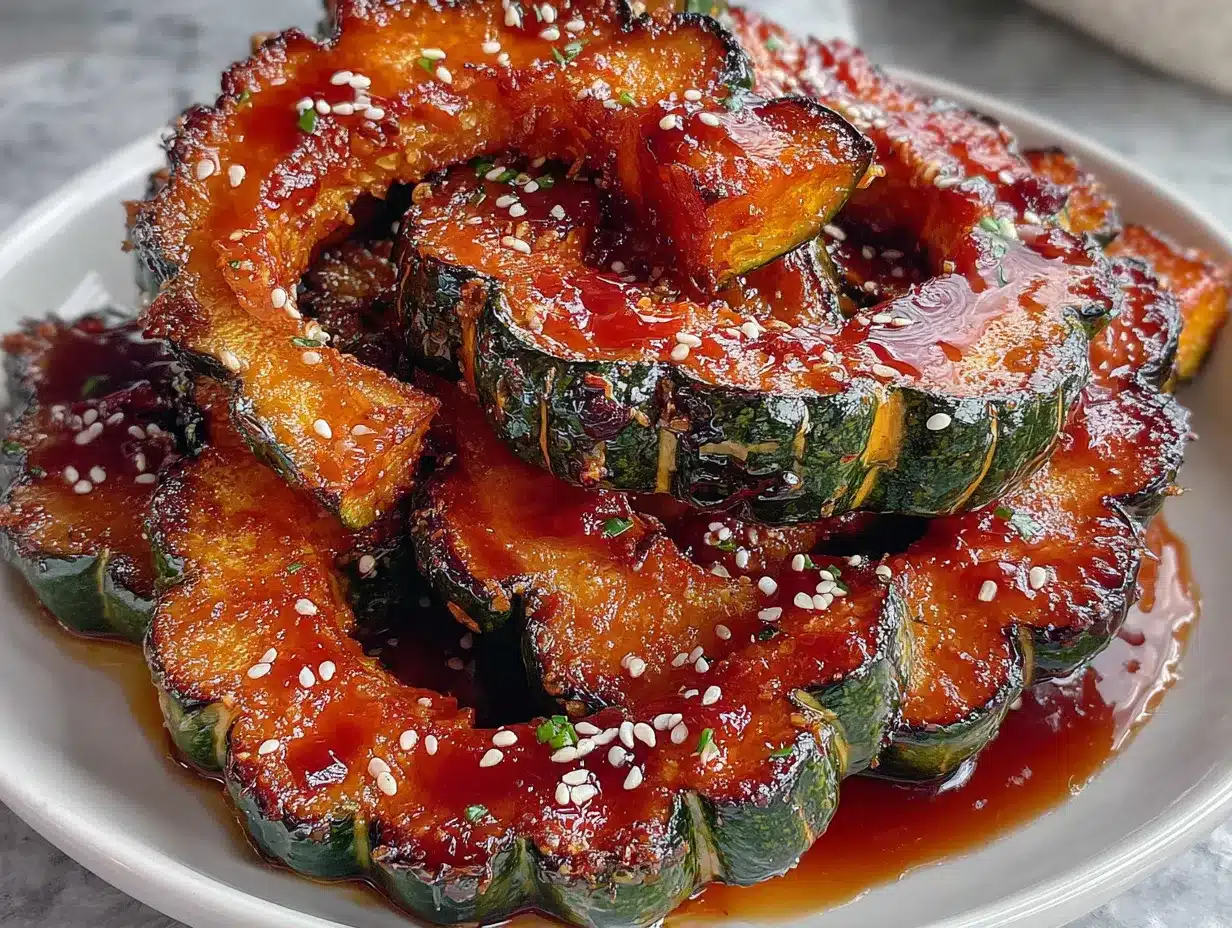
My neighbor, Mr. Chen, wasn’t trying to impress anyone. I’d stopped by to borrow a wrench—my kitchen faucet was dripping like a broken metronome—and a smell hit me before I even got to his screen door. It was rich, savory, and sweet all at once, with this warm, almost floral edge that made my stomach actually growl. He just shrugged when I asked what he was making. “Oh, just squash,” he said, like it was nothing. Just squash. I practically followed him back to his kitchen, and I watched him slide a baking sheet out of the oven. The kabocha squash was glistening, caramelized at the edges, with this sticky, glossy sauce clinging to every piece. He told me it was his “lazy Friday dinner” and offered me a fork. Let me tell you, that first bite was a revelation—the squash was creamy, almost like a sweet potato, but with a nuttiness that the ginger and miso just woke up. The caramelized bits were like little candy pockets of umami. I stood there in his kitchen, eating straight off the pan, and he just laughed. I knew right then I wouldn’t rest until I could make this at home. Maybe you’ve been there—you taste something so simple and so perfect that you know it’s going to become a staple in your own kitchen. This Caramelized Ginger Miso Kabocha Squash is that recipe for me. It’s been my go-to side dish, my quick lunch, and the thing I bring to every potluck where I want to look like I tried harder than I actually did. Honestly, it’s so good, you’ll forget it’s good for you.
Why You’ll Love This Recipe
This isn’t just another roasted squash recipe. I’ve tested this one about a dozen times to get the balance just right—the sweetness of the kabocha, the salty depth of the miso, the zing of fresh ginger. It comes from a place of wanting something that feels special but takes almost no effort. Here’s why this one is different:
- Quick & Easy: From cutting board to table in under 40 minutes. Perfect for a busy weeknight when you want something that tastes like you spent hours on it.
- Simple Ingredients: You likely have miso paste, ginger, and soy sauce in your fridge. The kabocha squash is the star, and it’s easy to find at most grocery stores or Asian markets.
- Perfect for Any Occasion: It’s elegant enough for a holiday dinner table but cozy enough for a Tuesday night. I’ve served it alongside roast chicken and also eaten it straight from the fridge for breakfast (no judgment).
- Crowd-Pleaser: Even people who say they “don’t like squash” have asked me for this recipe. The caramelized miso glaze is that good.
- Unbelievably Delicious: The texture is what gets me every time—creamy, tender squash with these crispy, caramelized edges that are pure magic.
What makes this recipe different from the rest is the technique. Instead of just tossing everything together and roasting, we take a moment to whisk the miso, ginger, and a touch of maple syrup into a smooth paste that clings to every nook and cranny of the squash. The result is a glaze that caramelizes without burning, creating a deep, complex flavor that tastes like you fussed. But you didn’t. This is comfort food reimagined—healthier, faster, but with the same soul-soothing satisfaction that makes you close your eyes after the first bite.
What Ingredients You Will Need
This recipe uses simple, wholesome ingredients that work together to create something truly special. Most of these are pantry staples, and the fresh ginger and kabocha squash are the only things you might need to pick up.
- Kabocha Squash (1 medium, about 2-3 pounds): Also known as Japanese pumpkin, this squash has a sweet, nutty flavor and a creamy texture. You don’t need to peel it—the skin is edible and gets tender when roasted. Look for one that feels heavy for its size with a dull, hard skin.
- White Miso Paste (2 tablespoons): This is the backbone of the umami flavor. I prefer white miso (shiro miso) for its milder, slightly sweet taste. It blends beautifully without overpowering the squash. I like the Hikari brand for its smooth texture, but any white miso works.
- Fresh Ginger (1 tablespoon, grated): Please, please use fresh ginger here. The powdered stuff just won’t give you that same bright, warm kick. I keep a knob of ginger in the freezer—it grates like a dream without the stringy bits.
- Maple Syrup (2 tablespoons): This helps the caramelization and balances the saltiness of the miso. You can use honey or agave if that’s what you have, but maple syrup adds a subtle, woodsy sweetness that I love.
- Rice Vinegar (1 tablespoon): Adds a gentle acidity that cuts through the richness. Unseasoned rice vinegar is best, but apple cider vinegar works in a pinch.
- Soy Sauce or Tamari (1 tablespoon): For that extra layer of salty depth. Use tamari if you need this to be gluten-free.
- Sesame Oil (1 tablespoon): Toasted sesame oil adds a nutty aroma that pairs perfectly with the miso and ginger. A little goes a long way.
- Neutral Oil (2 tablespoons): Avocado or grapeseed oil works great for roasting. It has a high smoke point, so the squash gets beautifully browned without burning.
- Sesame Seeds (1 tablespoon, for garnish): Toasted white or black sesame seeds add a nice crunch and visual appeal.
- Green Onions (2, sliced, for garnish): A pop of color and a mild oniony freshness to finish the dish.
Substitution Guidance
If you can’t find kabocha, buttercup squash or even a sweet potato will work, though the cooking time may vary slightly. For a nut-free option, skip the sesame oil and use more neutral oil. To make this completely oil-free, you can roast the squash on a silicone mat, but the edges won’t get quite as crispy.
Equipment Needed
You don’t need a fancy kitchen to make this recipe. Here’s what I use every time:
- Baking Sheet: A rimmed baking sheet is essential to catch any saucy drips. I use a half-sheet pan (18×13 inches). If you don’t have one, any large oven-safe dish with a lip will do.
- Sharp Chef’s Knife: Kabocha squash is dense. A sharp knife makes cutting it much safer and easier. I learned this the hard way after nearly losing a finger to a dull blade.
- Microplane or Fine Grater: For grating the fresh ginger. You can also mince it very finely, but a microplane gives you a paste that melts right into the glaze.
- Mixing Bowl: A medium bowl for whisking the glaze ingredients together.
- Whisk or Fork: To combine the miso paste with the liquids until smooth. A fork works perfectly if you don’t want to dirty another dish.
- Spatula or Spoon: For tossing the squash with the glaze. I prefer a silicone spatula because it doesn’t scratch my bowl and gets every last bit of that delicious sauce.
- Parchment Paper or Silicone Baking Mat: This makes cleanup a breeze and prevents the glaze from sticking to the pan. Trust me on this one.
Budget-Friendly Note: If you don’t have a Microplane, the fine side of a box grater works. And if you don’t have a rimmed baking sheet, a 9×13 baking dish will do—just make sure the squash is in a single layer so it caramelizes properly.
Preparation Method
Let’s get cooking. This method is straightforward, but I’ve added some notes from my own trial-and-error sessions to help you nail it on the first try.
- Preheat your oven to 400°F (200°C). Line a rimmed baking sheet with parchment paper or a silicone mat. This is important—the glaze gets sticky, and without parchment, you’ll be scrubbing for an hour.
- Prepare the kabocha squash: Wash the outside of the squash well—remember, we’re eating the skin. Using a sharp chef’s knife, carefully cut the squash in half from stem to stern. Scoop out the seeds and stringy pulp with a spoon. You can save the seeds to roast later if you like! Place each half cut-side down and slice into 1-inch thick wedges. Then, cut each wedge crosswise into 1-inch pieces. I aim for uniform chunks so they cook evenly. Warning: Kabocha is tough. If your knife gets stuck, don’t force it—try rocking the blade gently. I once had a piece fly across the kitchen, so keep your fingers clear!
- Make the glaze: In a medium mixing bowl, combine 2 tablespoons white miso paste, 1 tablespoon grated fresh ginger, 2 tablespoons maple syrup, 1 tablespoon rice vinegar, 1 tablespoon soy sauce or tamari, 1 tablespoon toasted sesame oil, and 2 tablespoons neutral oil. Whisk until smooth. The miso should be fully incorporated with no lumps. The glaze will look like a thick, golden-brown dressing. Sensory cue: It should smell fragrant—gingery, sweet, and savory all at once.
- Toss the squash: Add the kabocha chunks to the bowl with the glaze. Use a spatula or your hands (I use my hands—it’s easier and more thorough) to toss until every piece is evenly coated. Make sure the glaze gets into all the crevices. Personal tip: I let it sit for 5 minutes at this point to let the flavors start soaking in. It’s not strictly necessary, but it makes a difference.
- Arrange on the baking sheet: Spread the glazed squash pieces in a single layer on the prepared baking sheet. Make sure they’re not touching—crowding them will steam them instead of roasting, and you won’t get those beautiful caramelized edges. If you have too many pieces, use two baking sheets.
- Roast for 25-30 minutes: Place the baking sheet on the middle rack of your preheated oven. Roast for 15 minutes, then remove the pan and flip each piece over using tongs or a spatula. Return to the oven and roast for another 10-15 minutes. The squash is done when it’s fork-tender and the edges are deeply caramelized and slightly crispy. Sensory cue: The kitchen should smell amazing—like roasted nuts, ginger, and a hint of sweetness. The edges of the squash will look dark and sticky, but not burnt.
- Garnish and serve: Remove the squash from the oven and let it cool on the pan for 2-3 minutes. Transfer to a serving platter or bowl. Sprinkle with toasted sesame seeds and sliced green onions. Serve warm or at room temperature.
Troubleshooting Tip: If your squash isn’t caramelizing after 25 minutes, your oven might run cool. Turn on the broiler for the last 2-3 minutes, but watch it closely—it can go from perfect to burnt in seconds. I learned this the hard way when I walked away to answer the phone!
Cooking Tips & Techniques
After making this recipe more times than I can count, I’ve picked up a few tricks that make a real difference.
Don’t skip flipping the squash. I know it’s tempting to just let it roast without interruption, but flipping ensures even caramelization on all sides. The first time I made this, I was lazy and didn’t flip—half the pieces were perfectly glazed, and the other half were pale and sad. Now I set a timer for 15 minutes and flip without fail.
Grate your ginger on a microplane, not a box grater. A box grater leaves behind fibrous strings that can be unpleasant to bite into. A microplane turns the ginger into a paste that dissolves into the glaze. If you don’t have one, mince the ginger as finely as you can with a sharp knife.
Watch the miso. Miso is salty, so don’t be tempted to add more. I once doubled the miso thinking it would make the flavor even better, and the result was so salty it was almost inedible. Trust the measurements—the balance is perfect as written.
Use room-temperature ingredients. If your maple syrup or miso is cold from the fridge, the glaze won’t whisk together as smoothly. Let them sit on the counter for 10 minutes before you start. It’s a small thing, but it makes a difference in the texture of the final glaze.
My biggest failure: I once tried to make this in an air fryer without adjusting the time. The sugar in the maple syrup burned before the squash was tender. If you want to use an air fryer, cook at 375°F (190°C) for 12-15 minutes, shaking the basket halfway through. But honestly, the oven version is better—the larger surface area gives you more caramelized edges.
Variations & Adaptations
This recipe is flexible, and I’ve tried several variations over the years. Here are some of my favorites:
Spicy Miso Squash
Add 1 teaspoon of sriracha or gochujang to the glaze for a spicy kick. The heat pairs beautifully with the sweet squash. I made this for a Super Bowl party, and it disappeared faster than the wings.
Vegan & Gluten-Free
This recipe is already vegan if you use maple syrup instead of honey. To make it gluten-free, simply swap the soy sauce for tamari or coconut aminos. The flavor is slightly different but still delicious.
Honey-Miso Variation
If you’re not vegan, try substituting the maple syrup with honey. The floral notes of honey complement the ginger in a different way. I prefer this version in the fall when I want something a little cozier.
Sheet Pan Meal
Turn this into a complete meal by adding protein to the same pan. Toss cubed firm tofu or chicken thighs in the same glaze and roast alongside the squash. Just make sure the protein is cut to a similar size so everything finishes at the same time. I’ve done this with salmon fillets, and it’s become a weeknight staple.
Roasted with Other Veggies
Brussels sprouts, halved and tossed in the same glaze, roast beautifully alongside the squash. The bitterness of the sprouts balances the sweetness. Just add them to the pan after the squash has been roasting for 10 minutes, since they cook faster.
Serving & Storage Suggestions
This squash is versatile when it comes to serving. Here’s how I like to enjoy it:
Serving Temperature: It’s delicious warm, right out of the oven, but I honestly love it at room temperature too. The flavors seem to deepen as it cools. If you’re serving it as part of a larger meal, it’s great on a buffet table since it doesn’t need to stay hot.
Presentation: I like to arrange the squash on a white platter to let the golden-brown color pop. A sprinkle of black sesame seeds adds a beautiful contrast. For a dinner party, I sometimes add a dollop of crème fraîche or a drizzle of tahini on top—it sounds fancy but takes 10 seconds.
What to Serve With It: This pairs beautifully with crispy garlic chicken or a simple pan-seared fish. It also works as a hearty side for a grain bowl—I’ve piled it on top of quinoa with avocado and a fried egg for a killer lunch. For a cozy winter dinner, serve it alongside a big green salad with a tangy vinaigrette to cut through the richness.
Storage: Store leftovers in an airtight container in the refrigerator for up to 5 days. The squash will soften a bit, but the flavor stays amazing. I often make a double batch on Sunday just to have it on hand for quick lunches.
Reheating: The best way to reheat is in the oven or toaster oven at 350°F (175°C) for 5-7 minutes. This helps restore some of the caramelized edges. You can use the microwave in a pinch, but the squash will be softer and lose its crispiness. Personal note: I actually love eating it cold straight from the fridge—it’s like a savory-sweet candy.
Freezer: You can freeze the roasted squash in a single layer on a baking sheet, then transfer to a freezer bag. It will keep for up to 3 months. Thaw in the refrigerator overnight and reheat in the oven. The texture won’t be quite as firm, but it’s still delicious in soups or grain bowls.
Nutritional Information & Benefits
This recipe is as good for you as it is delicious. Here’s the estimated nutritional breakdown per serving (based on 4 servings):
| Nutrient | Amount |
|---|---|
| Calories | 210 |
| Total Fat | 9g |
| Saturated Fat | 1g |
| Carbohydrates | 32g |
| Fiber | 5g |
| Sugar | 14g |
| Protein | 4g |
| Sodium | 520mg |
Health Benefits: Kabocha squash is packed with beta-carotene, which your body converts to vitamin A for healthy vision and immune function. It’s also a great source of fiber, which keeps you full and supports digestion. The ginger in this recipe is anti-inflammatory, and miso is a fermented food that promotes gut health. This is the kind of side dish that makes you feel good from the inside out—without feeling like you’re eating “health food.”
Dietary Considerations: This recipe is naturally vegan, dairy-free, and can be made gluten-free with tamari. It’s also relatively low in calories for the volume of food you get. The main allergen to note is soy (from the miso and soy sauce), but you can use chickpea miso and coconut aminos if needed.
Conclusion
Honestly, this Caramelized Ginger Miso Kabocha Squash has become one of those recipes I’ll never stop making. It started with a borrowed wrench and a nosy neighbor, and now it’s the dish I turn to when I want something that feels both wholesome and indulgent. The combination of sweet, savory, and umami is just perfect, and the texture—those creamy insides with those crispy, caramelized edges—is pure comfort. I love that it’s simple enough for a Tuesday night but elegant enough to impress guests. I hope you give it a try and make it your own. Maybe you’ll add a little extra ginger, or a sprinkle of chili flakes, or serve it over a bowl of rice. That’s the beauty of a recipe like this—it’s a starting point for your own kitchen adventures. If you do make it, I’d love to hear how it turns out. Drop a comment below and let me know what you think! And if you’re looking for more vegetable-forward dishes, you might also enjoy this roasted balsamic Brussels sprouts recipe—it has the same caramelized magic. Happy cooking!
Frequently Asked Questions
Can I use butternut squash instead of kabocha?
Yes, absolutely! Butternut squash is a great substitute. The main difference is that butternut has a firmer texture and is slightly less sweet. You’ll need to peel the skin off butternut squash since it’s not edible like kabocha skin. The cooking time should be about the same—just check for fork-tenderness at the 25-minute mark.
Is the skin of kabocha squash really edible?
Yes, it is! The skin of kabocha squash is thin and becomes tender when roasted. It’s also where a lot of the fiber is. Just make sure you wash the squash well before cutting. Some people prefer to peel it, but I think the skin adds a nice texture contrast and saves you a step.
Can I make this recipe ahead of time?
You can prep the squash and the glaze separately up to a day in advance. Store the cut squash in water in the fridge (to prevent browning) and the glaze in a sealed container. When you’re ready to cook, just toss and roast. The roasted squash is also great made ahead—it keeps well in the fridge for up to 5 days and tastes delicious at room temperature.
Why is my miso glaze clumpy?
This usually happens if the miso is too cold or if you’re not whisking enough. Make sure your miso is at room temperature, and whisk the glaze vigorously until smooth. If you’re still getting clumps, try mashing the miso with a fork before adding the liquids. A little patience goes a long way here.
How do I know when the squash is fully cooked?
The squash is done when you can easily pierce a piece with a fork—it should slide in with very little resistance. The edges should be caramelized and slightly crispy, and the glaze should be sticky and darkened. If the squash is tender but not caramelized, you can turn on the broiler for the last 2 minutes to get those crispy bits.
PrintEasy Caramelized Ginger Miso Kabocha Squash (Best Recipe)
This caramelized ginger miso kabocha squash is a quick and easy side dish that’s both wholesome and indulgent. The creamy squash is coated in a savory-sweet miso glaze and roasted until tender with crispy, caramelized edges.
- Prep Time: 10 minutes
- Cook Time: 30 minutes
- Total Time: 40 minutes
- Yield: 4 servings 1x
- Category: Side Dish
- Cuisine: Japanese
Ingredients
- 1 medium kabocha squash (about 2–3 pounds)
- 2 tablespoons white miso paste
- 1 tablespoon fresh ginger, grated
- 2 tablespoons maple syrup
- 1 tablespoon rice vinegar
- 1 tablespoon soy sauce or tamari
- 1 tablespoon toasted sesame oil
- 2 tablespoons neutral oil (avocado or grapeseed)
- 1 tablespoon sesame seeds (for garnish)
- 2 green onions, sliced (for garnish)
Instructions
- Preheat your oven to 400°F (200°C). Line a rimmed baking sheet with parchment paper or a silicone mat.
- Prepare the kabocha squash: Wash the outside well. Using a sharp chef’s knife, carefully cut the squash in half from stem to stern. Scoop out the seeds and stringy pulp. Place each half cut-side down and slice into 1-inch thick wedges, then cut each wedge crosswise into 1-inch pieces.
- Make the glaze: In a medium mixing bowl, combine 2 tablespoons white miso paste, 1 tablespoon grated fresh ginger, 2 tablespoons maple syrup, 1 tablespoon rice vinegar, 1 tablespoon soy sauce or tamari, 1 tablespoon toasted sesame oil, and 2 tablespoons neutral oil. Whisk until smooth.
- Toss the squash: Add the kabocha chunks to the bowl with the glaze. Use a spatula or your hands to toss until every piece is evenly coated. Let it sit for 5 minutes if desired.
- Arrange on the baking sheet: Spread the glazed squash pieces in a single layer on the prepared baking sheet, making sure they are not touching.
- Roast for 25-30 minutes: Roast for 15 minutes, then flip each piece. Return to the oven and roast for another 10-15 minutes until fork-tender and edges are caramelized.
- Garnish and serve: Remove from the oven and let cool on the pan for 2-3 minutes. Transfer to a serving platter. Sprinkle with toasted sesame seeds and sliced green onions. Serve warm or at room temperature.
Notes
Don’t skip flipping the squash for even caramelization. Grate ginger on a microplane for best results. Watch the miso—it’s salty, so don’t add more. Use room-temperature ingredients for a smooth glaze. For an air fryer, cook at 375°F (190°C) for 12-15 minutes, shaking halfway through.
Nutrition
- Serving Size: 1 serving
- Calories: 210
- Sugar: 14
- Sodium: 520
- Fat: 9
- Saturated Fat: 1
- Carbohydrates: 32
- Fiber: 5
- Protein: 4
Keywords: kabocha squash, miso, ginger, caramelized, roasted, vegan, gluten-free, side dish