Love this? Save it for later!
Share the inspiration with your friends
It was 11:47 PM on a rainy Tuesday, and I wanted something that tasted like a warm hug but also felt like a real meal—not just another bowl of buttered noodles. I didn’t have the heavy cream I usually reach for, but I had a few sad sage leaves wilting in the crisper drawer and a half-used stick of butter that was begging for attention. The idea arrived like a quiet, late-night epiphany: brown the butter, fry the sage, toss it all with pasta. Simple. No cream, no cheese, no fuss. Just the nutty, toasty magic of browned butter and the earthy whisper of sage.
I stood there in the dim kitchen light, watching the butter foam and turn a deep amber, and I honestly thought I might have ruined it. I mean, I’ve burned butter before—more times than I’d like to admit—and I was this close to pouring it down the sink. But I let it go a few seconds longer, and that’s when it happened. The smell. It was like toasted hazelnuts and caramel wrapped in something savory. I dropped in the sage leaves, and they crackled and danced, turning crispy in seconds. I poured it all over the hot pasta, gave it a toss, and took a bite. Let me tell you, I stood over the counter in my pajamas and ate half the bowl before I even thought about plating it.
Maybe you’ve been there—standing in your kitchen late at night, craving something that feels indulgent but not heavy, comforting but not boring. This Light Brown Butter Sage Pasta became my go-to for those exact moments. It’s the kind of recipe that feels like a secret you want to share with everyone. It’s simple, honest, and somehow more than the sum of its parts. I’ve been making it ever since, and every time, I close my eyes after that first bite.
Why You’ll Love This Recipe
Let’s be real for a second. There are a million pasta recipes out there, and most of them promise the world but leave you with a sink full of dishes and a so-so dinner. This one is different. I’ve tested this Light Brown Butter Sage Pasta more times than I can count—burned the butter, undercooked the pasta, even tried it with gluten-free noodles on a whim. And every single time, it delivered. It’s chef-tested in my own tiny kitchen, and it’s family-approved by everyone I’ve fed it to.
- Quick & Easy: Comes together in under 20 minutes. Seriously. From start to table, you’re looking at less time than it takes to order takeout and wait for delivery.
- Simple Ingredients: No fancy grocery trips needed. You likely already have butter, pasta, and salt in your kitchen. If you’re lucky, you have fresh sage too.
- Perfect for Cozy Fall Nights: This is the ultimate comfort food for chilly evenings, lazy Sundays, or when you just need something warm and satisfying.
- Crowd-Pleaser: I’ve served this to picky kids, vegan friends (with a butter swap), and my dad who swears he doesn’t like “fancy pasta.” Everyone goes back for seconds.
- Unbelievably Delicious: The nutty, toasty flavor of browned butter combined with crispy sage is next-level comfort food. It tastes like you spent hours, not minutes.
What makes this recipe different from the rest? It’s the technique. Most recipes rush the browning process or skip the crispy sage altogether. But when you take the time to let the butter foam and deepen to that perfect amber color, and when you fry the sage until it’s shatteringly crisp, you unlock a flavor that feels both rustic and elegant. This isn’t just another version of brown butter pasta—it’s my best version. The one I make when I want to impress myself without any stress.
What Ingredients You Will Need
This recipe uses simple, wholesome ingredients to deliver bold, nutty flavor and a satisfying texture without any fuss. Most of these are pantry staples, which makes this dish perfect for those nights when you think you have nothing to cook.
- Pasta (8 ounces / 225 grams): I recommend a long, twirlable shape like fettuccine, linguine, or tagliatelle. The butter sauce clings beautifully to these noodles. You can use spaghetti or bucatini too. For a gluten-free option, use your favorite brown rice or chickpea pasta.
- Unsalted Butter (4 tablespoons / 56 grams): This is the star of the show. Use unsalted so you can control the salt level. I prefer Kerrygold or any European-style butter for its higher fat content, which browns more evenly and tastes richer.
- Fresh Sage Leaves (10-12 large leaves): Fresh sage is non-negotiable here. Dried sage won’t crisp up and has a different flavor profile. Look for leaves that are vibrant green and fragrant, without any brown spots.
- Salt (1 teaspoon, plus more for pasta water): Use a fine sea salt for the pasta water and a flaky salt like Maldon for finishing. The pasta water should taste like the sea—this is your only chance to season the noodles from the inside out.
- Black Pepper (½ teaspoon, freshly ground): Freshly ground black pepper adds a subtle heat that cuts through the richness of the butter. Don’t skip it.
- Parmesan Cheese (¼ cup / 25 grams, finely grated, optional): I say optional, but honestly, I always add it. It adds a salty, umami kick that makes the dish sing. Use a block of Parmigiano-Reggiano and grate it yourself for the best melt and flavor.
- Lemon Juice (1 teaspoon, optional): A tiny squeeze of fresh lemon juice at the end brightens everything up. It’s not traditional, but I love how it balances the richness.
Ingredient Selection Tips: For the best texture, use fresh sage leaves that are pliable, not brittle. If your sage is a little sad, revive it by soaking in cold water for 5 minutes and patting dry. For the butter, don’t use margarine or spreadable butter—they have too much water content and won’t brown properly.
Equipment Needed
You don’t need a lot of fancy tools for this one, which is part of the beauty. Here’s what you’ll need:
- Large Pot (4-5 quart / 4-5 liter): For boiling the pasta. Make sure it’s big enough so the noodles have room to move around.
- Large Skillet or Frying Pan (10-12 inch / 25-30 cm): A light-colored skillet is ideal so you can see the butter change color. I use a stainless steel pan, but non-stick works too. Avoid dark non-stick pans—you won’t be able to see the browning process clearly.
- Wooden Spoon or Silicone Spatula: For stirring the butter. Wooden spoons are great because they don’t conduct heat, so you can leave it in the pan while you cook.
- Colander: For draining the pasta. Reserve some pasta water before you drain!
- Measuring Spoons and Kitchen Scale: For accuracy. I’ve learned the hard way that eyeballing butter can lead to sadness.
- Microplane or Fine Grater: If you’re using Parmesan, this is the best way to grate it. It melts into the sauce like a dream.
Budget-Friendly Note: If you don’t have a light-colored skillet, you can brown the butter in a regular pot and transfer it to a bowl to check the color. It’s a little extra work, but it works!
Preparation Method
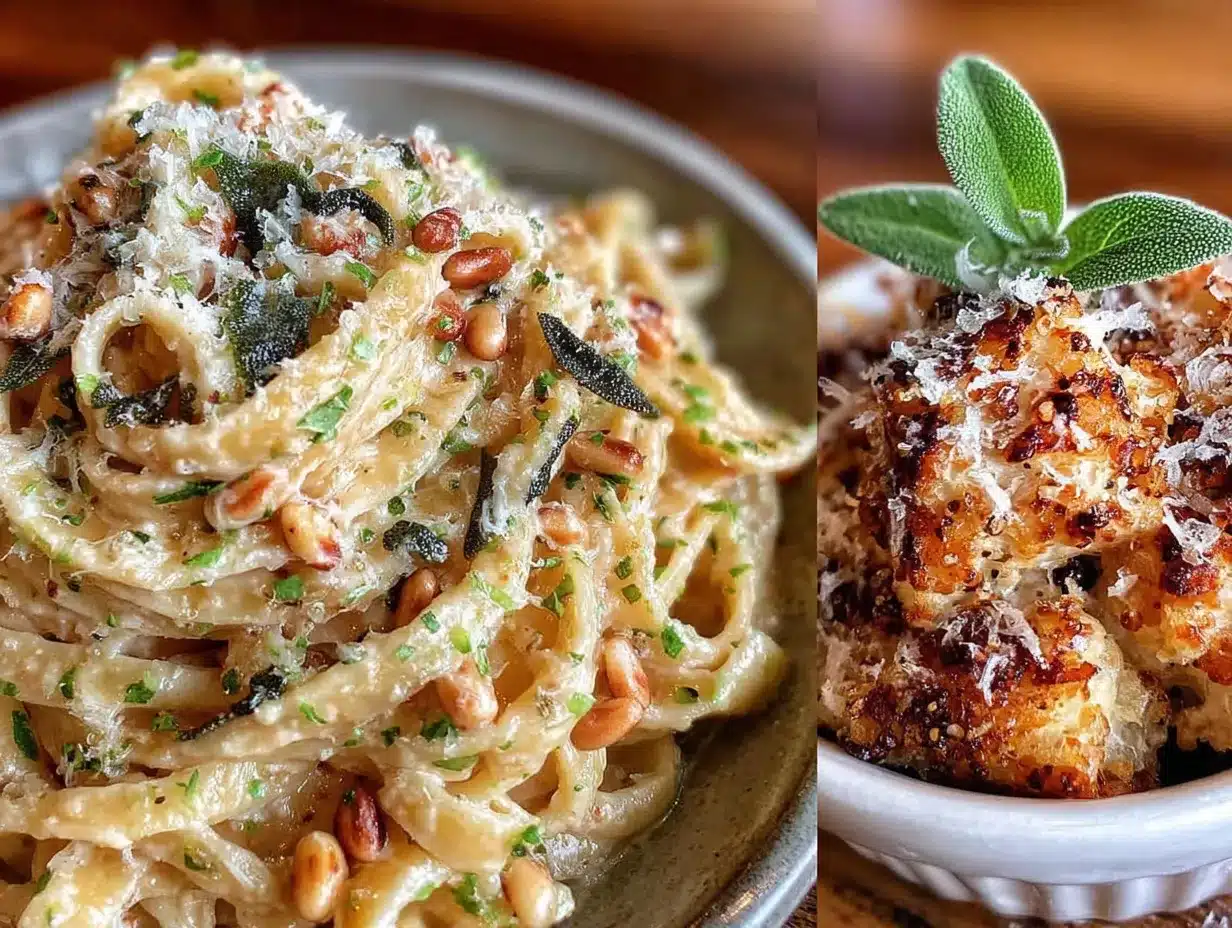
Let’s get cooking. This method is straightforward, but I’ve added all the little details I wish someone had told me the first time I made it.
- Bring a large pot of water to a rolling boil. Add 1 tablespoon of salt per 4 quarts (3.8 liters) of water. Yes, it seems like a lot, but most of it stays in the water. The pasta absorbs just enough to be perfectly seasoned from the inside out. While the water heats up, get your other ingredients ready—this dish moves fast once you start.
- Add the pasta and cook until al dente. Check the package directions, but start testing 1 minute before the suggested time. You want the pasta to be tender but still have a slight bite in the center. Reserve 1 cup (240 ml) of the starchy pasta water before draining. I cannot stress this enough—do not forget this step. That starchy water is liquid gold for the sauce.
- While the pasta cooks, start the brown butter. Place the large skillet over medium heat. Add the 4 tablespoons of unsalted butter. Let it melt completely, then swirl the pan gently. The butter will start to foam and sizzle. This is normal—don’t panic.
- Watch the butter like a hawk. After about 2-3 minutes, the foaming will subside, and you’ll see small brown specks forming at the bottom of the pan. The color will change from pale yellow to a warm golden, then to a deep amber. Swirl the pan constantly. The moment it smells nutty and toasty (like toasted hazelnuts), it’s ready. This usually takes 4-5 minutes total from when the butter melts.
- Add the sage leaves immediately. Drop them into the browned butter. They will crackle and sizzle loudly—that’s a good sign. Cook for 20-30 seconds, flipping them once, until they are dark green and crispy. Use a slotted spoon or tongs to transfer them to a paper towel-lined plate. They will crisp up further as they cool.
- Remove the pan from the heat. At this point, the butter is still hot and will continue to darken slightly. If it starts to smell burnt or acrid, you’ve gone too far—start over. It happens to the best of us. I’ve definitely had to toss a batch and start fresh.
- Add the drained pasta to the butter. Toss everything together with tongs or a wooden spoon. The pasta will absorb the nutty butter beautifully. If the mixture seems dry, add the reserved pasta water, 1 tablespoon at a time, and toss until the sauce coats the noodles evenly. You might need ¼ to ½ cup (60-120 ml).
- Season and finish. Sprinkle in the freshly ground black pepper and a pinch of flaky salt. Toss again. If you’re using Parmesan and lemon juice, add them now and toss one more time. The cheese will melt into the butter, creating a silky, almost creamy sauce without any cream.
- Plate and garnish. Divide the pasta between warm bowls. Crumble the crispy sage leaves over the top. Add a final grating of Parmesan and a twist of black pepper. Serve immediately—this dish waits for no one.
Pro Tip: If you’re making this for guests, cook the pasta just before serving and have everything ready to go. The whole process takes about 15 minutes, so timing is everything. I like to set out all my ingredients on a tray before I start—it makes the process feel effortless.
Cooking Tips & Techniques
I’ve made this Light Brown Butter Sage Pasta more times than I can count, and I’ve learned a few things the hard way. Here are the tips that will save you from my mistakes.
The Biggest Mistake: Rushing the Butter. The first time I tried this, I cranked the heat to high because I was impatient. The butter went from melted to burnt in about 45 seconds. It smelled acrid and bitter, and I had to throw it out. Lesson learned: medium heat is your friend. Low and slow gives you control. The butter should foam gently, not aggressively.
The Second Biggest Mistake: Not Reserving Pasta Water. I cannot tell you how many times I’ve drained pasta without thinking and watched that starchy water disappear down the sink. It’s heartbreaking. The pasta water is what turns the butter into a silky sauce. Without it, the dish can feel dry and clumpy. Always reserve at least a cup, even if you think you won’t need it.
Timing Strategy: Start the butter about 2 minutes after you drop the pasta into the boiling water. That way, both finish around the same time. If the pasta is done before the butter, drain it, toss it with a drizzle of olive oil to prevent sticking, and set it aside. If the butter is done before the pasta, remove the pan from the heat so the butter doesn’t continue to darken.
Consistency Tip: If your sauce looks greasy or separated, add a splash of cold pasta water and whisk vigorously. The starch in the water will emulsify the butter and water into a creamy sauce. This trick has saved me more than once.
Variations & Adaptations
One of the best things about this recipe is how adaptable it is. I’ve experimented with all sorts of tweaks, and here are my favorites.
- Gluten-Free Version: Swap the regular pasta for your favorite gluten-free noodles. I love using brown rice fettuccine or chickpea pasta. Just be careful not to overcook them—gluten-free pasta can turn mushy fast. The brown butter sauce works perfectly with any noodle.
- Vegan Version: Use a high-quality vegan butter (I like Miyoko’s or Earth Balance) and omit the Parmesan. Add a tablespoon of nutritional yeast at the end for a cheesy, umami flavor. The sage still crisps up beautifully in vegan butter.
- Add Protein: Sometimes I want a heartier meal. I’ll pan-sear some chicken breast or shrimp in a separate pan and serve it on top of the pasta. The nutty butter sauce complements both proteins beautifully. For a vegetarian option, add some toasted pine nuts or walnuts for crunch and protein.
- Seasonal Twist: In the fall, I love adding roasted butternut squash cubes or sautéed mushrooms to the pasta. The earthy sweetness of the squash pairs perfectly with the brown butter and sage. In the spring, I add fresh peas and a squeeze of lemon for brightness.
- Spicy Kick: If you like a little heat, add a pinch of red pepper flakes to the butter while it browns. It infuses the oil with a gentle warmth that lingers on your tongue.
Serving & Storage Suggestions
This dish is best served immediately, while the pasta is hot and the sage is crispy. But I know life happens, so here’s how to handle leftovers.
Serving Temperature: Serve the pasta piping hot. Warm the bowls in a low oven (200°F / 95°C) for 5 minutes before plating—it keeps the pasta hot longer. Garnish with the crispy sage leaves right before serving so they stay crunchy.
What to Serve With It: A simple green salad with a lemon vinaigrette is the perfect side. The acidity cuts through the richness of the butter. I also love serving it with a glass of crisp white wine, like a Sauvignon Blanc or a Pinot Grigio. For a cozy fall dinner, pair it with roasted Brussels sprouts or a bowl of butternut squash soup.
Storage Instructions: Store leftovers in an airtight container in the refrigerator for up to 3 days. The pasta will absorb the sauce as it sits, so it will be less saucy the next day. To reheat, add a splash of water or milk to a skillet and warm the pasta over medium-low heat, tossing frequently. The microwave works in a pinch, but the stovetop gives you better texture.
Freezer Tips: I don’t recommend freezing this dish. The butter sauce can separate and become grainy when thawed. If you must freeze it, store the pasta and sauce separately, then combine and reheat gently. But honestly, it’s so quick to make that I’d rather make it fresh.
Flavor Development: Interestingly, the flavors meld and deepen overnight. The pasta absorbs the nutty butter, and the sage infuses every bite. Some people prefer it the next day. I say eat it fresh for the crispy sage experience, but don’t throw away leftovers—they’re still delicious.
Nutritional Information & Benefits
This Light Brown Butter Sage Pasta is comfort food that doesn’t weigh you down. Here’s the estimated nutritional breakdown per serving (based on 2 servings, without Parmesan):
| Nutrient | Amount per Serving |
|---|---|
| Calories | 420 |
| Total Fat | 22g |
| Saturated Fat | 14g |
| Carbohydrates | 48g |
| Fiber | 3g |
| Protein | 8g |
| Sodium | 380mg |
Health Benefits: Sage is packed with antioxidants and has anti-inflammatory properties. It’s also known to support brain health and digestion. Butter, when used in moderation, provides fat-soluble vitamins like A, D, E, and K2. The pasta provides sustained energy from complex carbohydrates. This dish is a balanced, satisfying meal that feels indulgent but is actually quite sensible.
Dietary Considerations: This recipe is vegetarian. It can easily be made gluten-free and vegan with the substitutions mentioned above. It is nut-free and egg-free. The main allergens are dairy (butter) and gluten (pasta).
Conclusion
This Light Brown Butter Sage Pasta is more than just a recipe—it’s a reminder that the best meals don’t have to be complicated. With just a handful of ingredients and a little bit of patience, you can create something that feels truly special. It’s the kind of dish that makes you slow down, take a deep breath, and savor the moment.
I love this recipe because it’s honest. It doesn’t pretend to be something it’s not. It’s simple, it’s cozy, and it’s absolutely delicious. Whether you’re making it for a quiet weeknight dinner or serving it to guests, it never disappoints.
Now it’s your turn. I want to hear about your version! Did you add mushrooms? Swap in gluten-free pasta? Forget the sage and have to run to the store? Let me know in the comments below. Share your tweaks, your triumphs, and even your mishaps. And if you loved this recipe, don’t forget to pin it for later and share it with a friend who needs a little cozy comfort in their life.
Happy cooking, and remember—sometimes the best things happen when you’re just winging it in the kitchen.
Frequently Asked Questions
Can I use dried sage instead of fresh?
I don’t recommend it. Dried sage won’t crisp up in the butter the way fresh sage does. It will just become soft and slightly bitter. Fresh sage is worth seeking out for this recipe—it makes all the difference in texture and flavor.
What kind of pasta works best for brown butter sauce?
Long, flat noodles like fettuccine, linguine, or tagliatelle are ideal because the sauce clings to them beautifully. You can also use spaghetti, bucatini, or even pappardelle. Short pasta shapes like penne or farfalle work too, but the sauce experience is slightly different.
Can I make this dairy-free?
Absolutely. Use a high-quality vegan butter that’s designed for cooking and baking. I’ve had great results with Miyoko’s and Earth Balance. The browning process works the same, and the sage crisps up just as well. Omit the Parmesan or use a vegan alternative.
How do I know when the butter is perfectly browned?
Look for three signs: the color turns from pale yellow to a rich amber, you see small brown specks forming at the bottom of the pan, and it smells nutty and toasty—like toasted hazelnuts or caramel. The process takes about 4-5 minutes over medium heat. Don’t walk away from it!
Can I add vegetables to this pasta?
Yes! Roasted butternut squash, sautéed mushrooms, fresh peas, or even wilted spinach are all excellent additions. Add them to the pan after you’ve removed the sage leaves, toss for a minute to warm them through, then add the pasta. It’s a great way to make the dish more substantial.
Pin This Recipe!
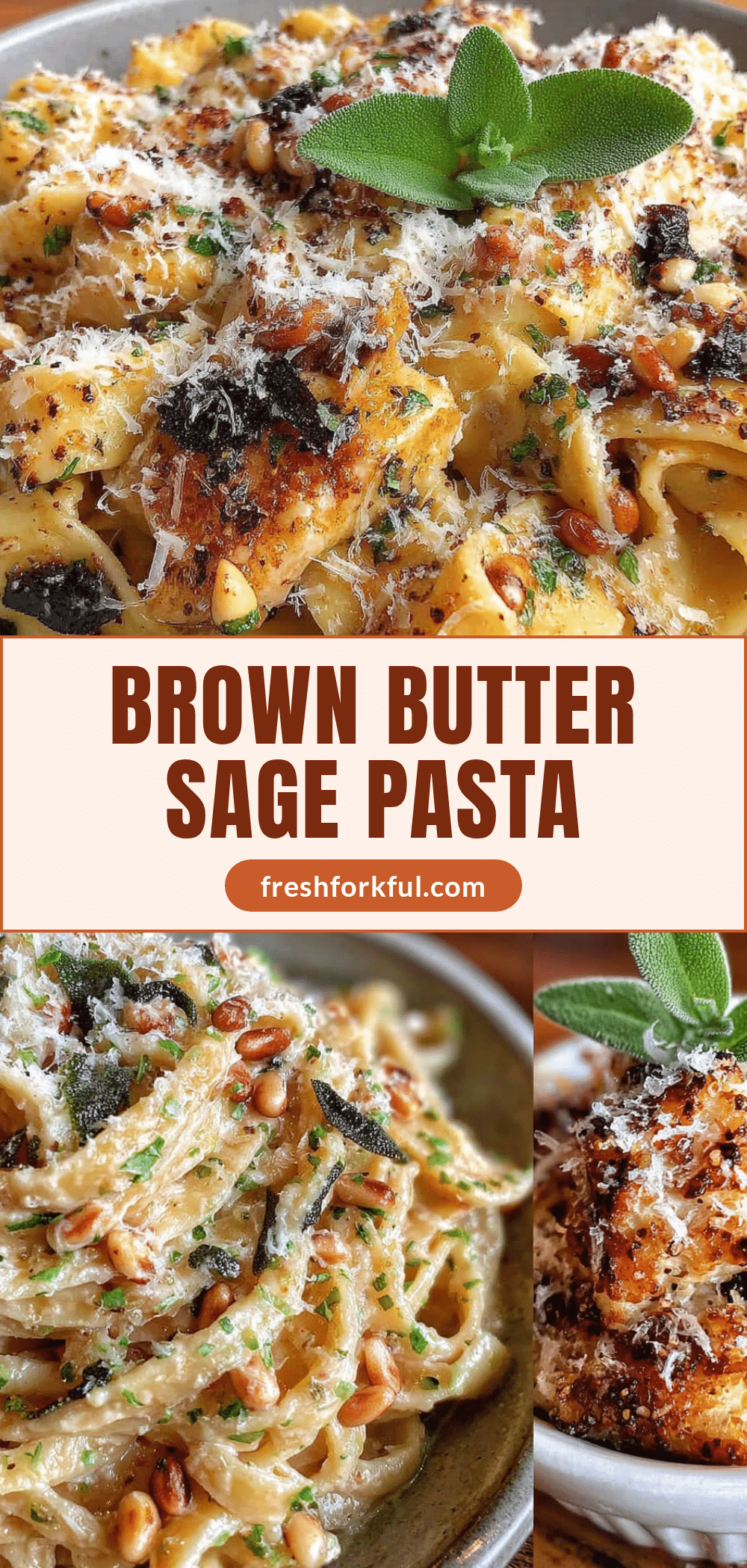
Easy Brown Butter Sage Pasta: The Best Cozy Fall Dinner
A simple, cozy pasta dish featuring nutty browned butter and crispy sage. Ready in under 20 minutes, it’s the perfect comforting meal for fall nights.
- Prep Time: 5 minutes
- Cook Time: 15 minutes
- Total Time: 20 minutes
- Yield: 2 servings 1x
- Category: Main Course
- Cuisine: Italian
Ingredients
- 8 ounces (225 grams) pasta (fettuccine, linguine, or tagliatelle)
- 4 tablespoons (56 grams) unsalted butter
- 10–12 large fresh sage leaves
- 1 teaspoon salt, plus more for pasta water
- ½ teaspoon freshly ground black pepper
- ¼ cup (25 grams) finely grated Parmesan cheese (optional)
- 1 teaspoon fresh lemon juice (optional)
Instructions
- Bring a large pot of water to a rolling boil. Add 1 tablespoon of salt per 4 quarts (3.8 liters) of water.
- Add the pasta and cook until al dente. Reserve 1 cup (240 ml) of starchy pasta water before draining.
- While the pasta cooks, place a large skillet over medium heat. Add the 4 tablespoons of unsalted butter and let it melt completely, then swirl the pan gently.
- Watch the butter as it foams and sizzles. After about 2-3 minutes, the foaming will subside and small brown specks will form. Swirl constantly until the butter turns a deep amber and smells nutty and toasty (about 4-5 minutes total).
- Immediately add the sage leaves to the browned butter. Cook for 20-30 seconds, flipping once, until dark green and crispy. Transfer to a paper towel-lined plate.
- Remove the pan from the heat.
- Add the drained pasta to the butter and toss with tongs or a wooden spoon. If dry, add reserved pasta water, 1 tablespoon at a time, until the sauce coats the noodles evenly (about ¼ to ½ cup / 60-120 ml).
- Season with freshly ground black pepper and a pinch of flaky salt. If using, add Parmesan and lemon juice and toss again.
- Divide pasta between warm bowls. Crumble crispy sage leaves over the top. Add a final grating of Parmesan and a twist of black pepper. Serve immediately.
Notes
Use a light-colored skillet to see the butter change color. Don’t rush the browning process—medium heat is key. Always reserve pasta water to create a silky sauce. For best results, serve immediately while the sage is crispy.
Nutrition
- Serving Size: 1 serving
- Calories: 420
- Sodium: 380
- Fat: 22
- Saturated Fat: 14
- Carbohydrates: 48
- Fiber: 3
- Protein: 8
Keywords: brown butter pasta, sage pasta, easy pasta recipe, fall dinner, quick pasta, comfort food, vegetarian pasta