Love this? Save it for later!
Share the inspiration with your friends
The church potluck was in twelve hours and I’d completely forgotten. Not just forgotten—I’d blocked it out, apparently. Everyone else would be bringing their showstoppers: Aunt Helen’s seven-layer salad, Mrs. Patterson’s famous baked ziti that takes all afternoon, and the casserole that won first place at the county fair three years running. I had a pork tenderloin I’d grabbed on sale for $6.47, a half-gallon of apple cider from last weekend’s farmers’ market trip, and a pantry that was looking pretty sad. Honestly, I almost called in sick. You know that feeling when you just want to hide under a blanket instead of facing the judgment of a church basement full of seasoned home cooks?
But my youngest, Sam, had already told everyone I was bringing “something amazing” because that’s what eight-year-olds do—they volunteer you for things while you’re trying to find matching socks. So there I was, staring at this pork tenderloin like it was a test I hadn’t studied for. I remembered a braised pork dish my grandmother used to make, but she never wrote anything down. I had a cracked measuring cup, a toddler tugging at my pant leg, and approximately forty-five minutes to figure it out before the chaos of homework and baths began.
I threw the pork in a hot pan, poured in the apple cider almost by accident, and started adding things that felt right. A little mustard. Some garlic. A splash of this, a pinch of that. The kitchen smelled unbelievable within minutes—like fall had exploded in a good way. I slid it into the oven, crossed my fingers, and hoped for the best. The next day, I walked into that potluck with my foil-covered dish, fully prepared to be the also-ran. Let me tell you, I was not prepared for what happened next.
The dish was empty in twenty minutes. People came back for seconds that didn’t exist. Mrs. Patterson asked for the recipe, and she never asks for recipes. That’s how this Best Easy Apple Cider Braised Pork Tenderloin recipe was born—out of panic, a tight budget, and sheer dumb luck. It’s the recipe I’ve made every fall since, and it never fails.
Why You’ll Love This Recipe
This isn’t just another pork tenderloin recipe. It’s the one that makes you look like you spent hours in the kitchen when you really didn’t. Here’s why it works for real families on real budgets:
- Budget-Friendly Hero: Pork tenderloin is one of the most affordable cuts of meat out there. I usually grab it when it’s on sale for under $7, and this recipe stretches it to feed a family of four with leftovers for lunch the next day.
- One-Pan Wonder: Everything happens in a single skillet or Dutch oven. Less cleanup means more time actually sitting down with your family instead of scrubbing pans.
- Picky Eater Approved: The apple cider braising liquid makes the pork incredibly tender and slightly sweet. My kids think it tastes like “fancy applesauce meat,” and they clean their plates every single time.
- Leftovers That Actually Reheat Well: This is huge for busy families. The pork stays moist and flavorful even after a day or two in the fridge. No dry, sad leftovers here.
- Company-Worthy Without the Stress: It looks impressive enough for holidays or dinner parties, but it’s simple enough for a random Tuesday night when you’re tired and hungry.
What makes this version different from all the other braised pork recipes out there? It’s the balance. The apple cider isn’t just there for sweetness—it tenderizes the meat while the mustard and garlic cut through with savory depth. I’ve tested this at least a dozen times to get the cooking time just right so the pork stays juicy but never dry. It’s comfort food that feels special without breaking the bank or your sanity.
What Ingredients You Will Need
This recipe uses simple, wholesome ingredients that you probably already have in your kitchen or can grab without a second trip to the store. The magic happens when these everyday staples come together in that hot pan.
- Pork Tenderloin (1.5 to 2 pounds): Look for a tenderloin that’s uniform in thickness so it cooks evenly. I usually buy the pre-packaged ones from the grocery store when they’re marked down. Trim off any silver skin before cooking—that tough membrane doesn’t break down during braising.
- Apple Cider (2 cups): Not apple juice! Apple cider has more body and a deeper, tangier flavor. I like using local cider from the farmers’ market when it’s in season, but store-bought works perfectly fine. (Pro tip: If you can only find apple juice, add a tablespoon of apple cider vinegar to mimic that tang.)
- Chicken Broth (1 cup): Low-sodium is best so you can control the salt level. I use Swanson’s or Kitchen Basics—both are reliable and affordable.
- Yellow Onion (1 large, sliced): Yellow onions have the right balance of sweetness and bite for braising. Red onion would work in a pinch, but it’ll change the color of the sauce.
- Garlic (4 cloves, minced): Fresh garlic is non-negotiable here. The jarred stuff just doesn’t have the same punch. I buy the big bags of peeled garlic cloves from Costco and keep them in the freezer—they thaw in seconds.
- Dijon Mustard (2 tablespoons): This is my secret weapon. It adds tang and helps emulsify the sauce. Grey Poupon is my go-to, but any good Dijon works.
- Fresh Thyme (4 sprigs): Dried thyme works if that’s what you have (use 1 teaspoon), but fresh thyme adds a gentle earthiness that pairs beautifully with the apple cider.
- Bay Leaves (2): These add subtle depth. Don’t skip them—they’re doing quiet work in the background.
- Unsalted Butter (2 tablespoons): For searing the pork and adding richness to the sauce. Use salted butter if that’s all you have, just reduce the added salt later.
- Olive Oil (1 tablespoon): Helps the butter not burn during searing. Any neutral oil works here.
- Salt and Black Pepper (to taste): Be generous with the salt when seasoning the pork. It’s your main defense against blandness.
- Cornstarch (1 tablespoon, optional): For thickening the sauce at the end if you prefer a glaze-like consistency. I usually skip it because I like the sauce as-is, but it’s there if you want it.
Equipment Needed
You don’t need a fancy kitchen to pull this off. Here’s what you’ll need:
- Large Oven-Safe Skillet or Dutch Oven: I use my trusty 5.5-quart Le Creuset Dutch oven that I found at a garage sale for $20. A heavy-bottomed skillet with a tight-fitting lid works great too. The key is that it can go from stovetop to oven.
- Meat Thermometer: This is non-negotiable for pork tenderloin. Overcooked pork is dry and sad, and an instant-read thermometer saves you every time. I have a $12 one from Amazon that’s lasted years.
- Tongs: For flipping the pork without piercing it and losing those precious juices.
- Cutting Board and Sharp Knife: For trimming the pork and slicing the onion. A dull knife makes everything harder.
- Measuring Cups and Spoons: For the liquids and mustard. Eyeballing works for some things, but braising liquid ratios matter.
If you don’t have an oven-safe skillet, you can sear the pork in a regular pan and transfer everything to a baking dish before adding the liquid. It’s one extra dish to wash, but it still works perfectly.
Preparation Method
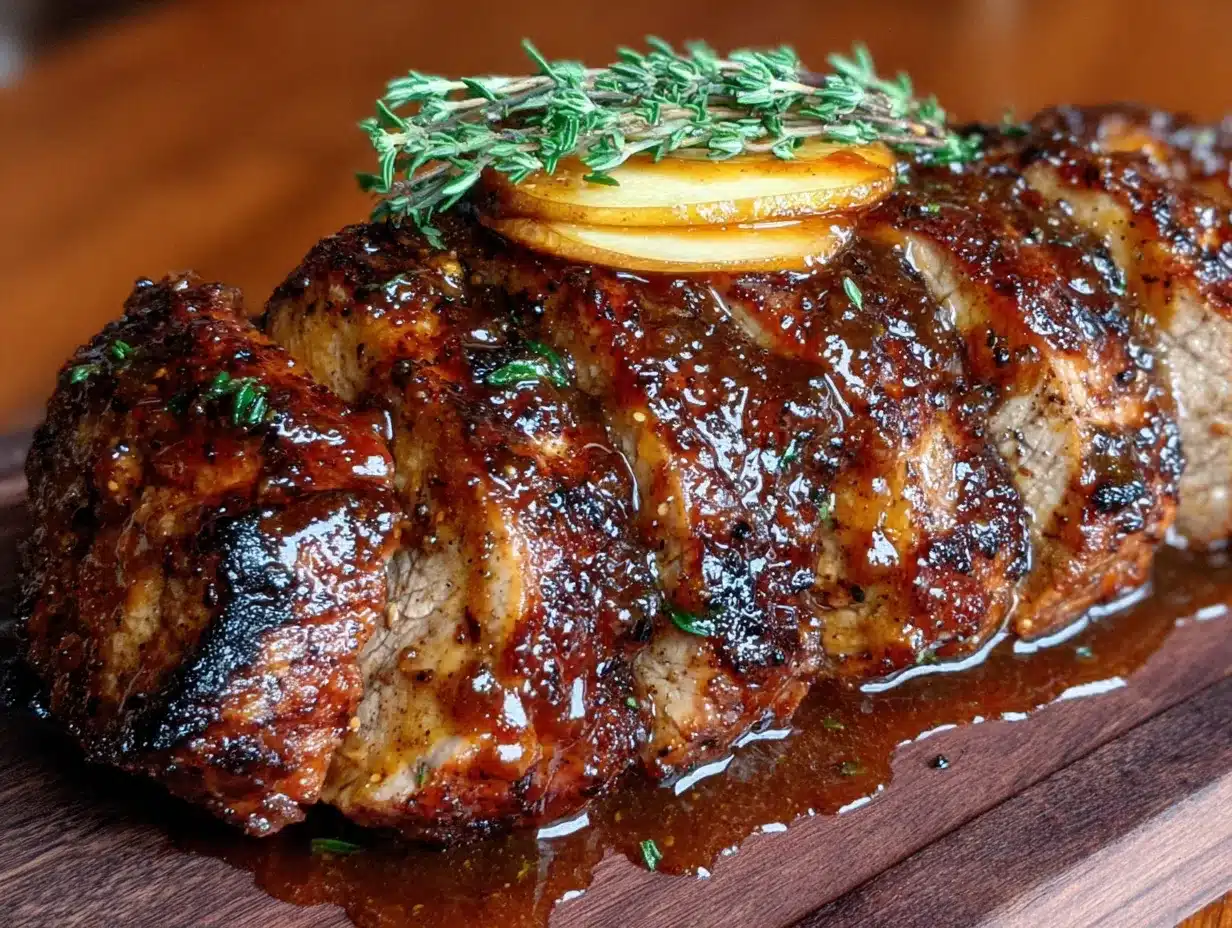
Let’s get cooking. This whole process takes about an hour, but most of that is hands-off oven time.
- Preheat your oven to 325°F (163°C). Position the rack in the middle. While it’s heating, take the pork tenderloin out of the fridge and let it sit on the counter for 15 minutes. Cold meat sears unevenly, and we want that beautiful golden crust.
- Pat the pork completely dry with paper towels. This is important—wet meat won’t brown, and browning is where all the flavor lives. Season generously on all sides with salt and pepper. I use about 1 teaspoon of salt and half a teaspoon of pepper.
- Heat the butter and olive oil in your Dutch oven or skillet over medium-high heat. Wait until the butter stops foaming and just starts to brown—that’s your signal that it’s hot enough. The oil prevents the butter from burning too quickly.
- Sear the pork tenderloin for 3-4 minutes per side. You want a deep golden-brown crust. Don’t move the meat around while it’s searing; let it develop that crust. Use your tongs to flip it carefully. The pork should release easily from the pan when it’s ready. If it sticks, give it another minute.
- Remove the pork to a plate and set it aside. Don’t worry if it’s not cooked through yet—it will finish in the oven. Now, reduce the heat to medium.
- Add the sliced onion to the same pot. Scrape up any browned bits from the bottom—that’s liquid gold. Cook the onions for 5-6 minutes, stirring occasionally, until they’re soft and starting to caramelize. They’ll smell amazing.
- Add the minced garlic and cook for 30 seconds. Just until fragrant. Garlic burns fast, so keep it moving.
- Pour in the apple cider and chicken broth. Use a wooden spoon to scrape up every last bit of fond (those browned bits) from the bottom of the pot. This is where the flavor concentrates.
- Stir in the Dijon mustard. It will look a little cloudy at first, but it’ll smooth out as it heats. Add the fresh thyme sprigs and bay leaves.
- Return the pork tenderloin to the pot, nestling it into the liquid. The liquid should come about halfway up the sides of the meat. If it doesn’t, add a splash more broth or cider.
- Bring the liquid to a gentle simmer on the stovetop, then cover the pot with a tight-fitting lid and transfer it to the preheated oven.
- Braise for 35-45 minutes, or until the internal temperature of the pork reaches 145°F (63°C) when checked with a meat thermometer. Start checking at 30 minutes—every oven runs a little differently. The pork should be fork-tender but not falling apart.
- Carefully remove the pot from the oven and transfer the pork to a cutting board. Tent it loosely with foil and let it rest for 10 minutes. This is crucial—resting allows the juices to redistribute so they don’t run out when you slice.
- While the pork rests, make the sauce. Remove the thyme sprigs and bay leaves. If you want a thicker sauce, mix the cornstarch with 2 tablespoons of cold water to make a slurry, then whisk it into the simmering liquid. Cook for 2-3 minutes until thickened. Otherwise, just let the sauce simmer uncovered for 5 minutes to reduce slightly.
- Slice the pork against the grain into 1/2-inch thick medallions. Arrange them on a platter and spoon the sauce and caramelized onions over the top.
Cooking Tips & Techniques
I’ve made this recipe enough times to know where things can go wrong. Here’s what I’ve learned the hard way so you don’t have to.
Don’t skip the sear. I know it’s tempting to just throw everything in the pot and call it a day, but that browned crust is where the deep, savory flavor comes from. The Maillard reaction (fancy science talk for browning) creates hundreds of flavor compounds that you just can’t get any other way. One time I was rushing and barely seared the pork—the end result was edible but honestly forgettable.
Watch your oven temperature. Braising at 325°F is the sweet spot. Too high and the pork will toughen up before it has time to break down. Too low and you’ll be waiting forever. I once accidentally set my oven to 375°F and ended up with pork that was technically cooked but had the texture of a shoe sole. Learn from my mistake.
Use a meat thermometer, not a timer. Pork tenderloin is lean and unforgiving. Five minutes can be the difference between juicy perfection and dry disappointment. I’ve ruined more pork than I care to admit by trusting the clock instead of the thermometer. Stick the probe into the thickest part of the meat and wait for that 145°F reading.
Let it rest. I know you’re hungry. I know the house smells incredible. But cutting into that pork immediately will release all the juices onto your cutting board instead of keeping them in the meat. Ten minutes feels like forever, but it’s non-negotiable. Use that time to finish the sauce and set the table.
Taste the sauce before serving. Every batch of apple cider has a slightly different sweetness level. If your sauce tastes too sweet, add a splash of apple cider vinegar or lemon juice to brighten it up. If it’s too tangy, a tiny pinch of brown sugar will balance it out. Trust your taste buds.
Variations & Adaptations
This recipe is flexible, and I love playing around with it depending on what’s in season or what my family is craving.
Apple and Sage Version: Add one diced apple (Honeycrisp or Granny Smith work great) along with the onions, and swap the thyme for fresh sage leaves. The apple pieces soften during braising and almost melt into the sauce. This is my go-to for Thanksgiving leftovers.
Slow Cooker Adaptation: Sear the pork and cook the onions in a skillet first (don’t skip this step!), then transfer everything to a slow cooker. Cook on low for 4-5 hours or on high for 2-3 hours. The texture will be slightly more shreddy than sliceable, but it’s amazing on sandwiches or over mashed potatoes.
Dairy-Free Option: Use olive oil instead of butter for searing. The sauce will still be rich and flavorful—the apple cider and mustard do the heavy lifting here. I’ve made it this way for friends with dairy sensitivities and nobody noticed the swap.
Gluten-Free: This recipe is naturally gluten-free as written, as long as you skip the cornstarch or use arrowroot powder instead. Double-check your chicken broth label—some brands add wheat-based thickeners.
Spicy Twist: Add a teaspoon of smoked paprika and a pinch of cayenne pepper along with the garlic. The smokiness plays beautifully with the sweet apple cider, and the heat cuts through the richness. My husband requests this version every time he’s had a rough week.
Serving & Storage Suggestions
This pork tenderloin is a meal in itself, but a few thoughtful sides turn it into something truly special.
Serve it hot, straight from the pot. I like to arrange the sliced medallions on a warm platter and spoon the sauce and onions over the top. A sprinkle of fresh thyme or parsley adds a pop of color. Mashed potatoes are the classic side—they soak up that sauce like nobody’s business. Roasted carrots or green beans add a nice contrast. For a complete fall meal, serve with crusty bread for sopping up every last drop.
Storage is simple. Let the pork cool completely, then store it in an airtight container with the sauce. It will keep in the refrigerator for 3-4 days. The flavors actually deepen overnight, so leftovers might be even better than the first meal.
Reheating tips: The microwave works in a pinch, but the best way is to reheat the pork and sauce together in a covered skillet over medium-low heat. Add a splash of broth or water if the sauce has thickened too much. Heat until the pork is warmed through, about 5-7 minutes. Don’t boil it—gentle heat is your friend here.
Freezer-friendly: This freezes beautifully for up to 3 months. Cool completely, then transfer to a freezer-safe container. Thaw overnight in the refrigerator before reheating. I often double the recipe and freeze half for busy weeks when I know I won’t have time to cook.
Leftover ideas: Shred the leftover pork and pile it onto toasted buns with a smear of Dijon for incredible sandwiches. Or chop it up and toss it with cooked pasta and a splash of the sauce for a quick weeknight dinner.
Nutritional Information & Benefits
This recipe strikes a nice balance between comfort food and sensible eating. Here’s the breakdown per serving (based on 4 servings):
- Calories: Approximately 380-420
- Protein: 38-42 grams
- Fat: 14-16 grams
- Carbohydrates: 18-22 grams (mostly from the apple cider and onions)
- Fiber: 1-2 grams
- Sugar: 12-14 grams (naturally occurring from the cider)
Pork tenderloin is one of the leanest cuts of meat—it’s actually comparable to skinless chicken breast in terms of fat content. It’s packed with B vitamins, particularly B6 and B12, which support energy metabolism. The apple cider provides antioxidants called polyphenols, and the onions add prebiotic fiber that feeds your gut bacteria. This isn’t health food, but it’s a wholesome meal that fits into a balanced diet without any guilt.
If you’re watching your sodium, use low-sodium broth and go easy on the added salt. The Dijon mustard and fresh herbs provide plenty of flavor without relying on salt alone.
Conclusion
This Best Easy Apple Cider Braised Pork Tenderloin has become a staple in my kitchen for good reason. It’s the recipe I turn to when I need a win—when I want to feed my family something that feels special without spending hours in the kitchen or blowing the grocery budget. It’s forgiving enough for a beginner cook and impressive enough for experienced home chefs.
I love that this recipe has its own little story now. That panicked potluck moment turned into a dish that my kids request for their birthdays, that my neighbors ask for at block parties, that I make just because it’s Tuesday and it’s fall and the house should smell like apples and warmth. Food does that, doesn’t it? It turns ordinary evenings into something you remember.
I hope you give this recipe a try and make it your own. Maybe you’ll add more garlic. Maybe you’ll throw in some rosemary. Maybe you’ll serve it over egg noodles instead of potatoes. That’s the beauty of a good recipe—it’s a starting point, not a rulebook. I’d love to hear how it turns out for you. Drop a comment below and let me know what you changed, what you loved, or what your family thought. And if you have a potluck coming up? This one’s got your back.
Frequently Asked Questions
Can I use pork loin instead of pork tenderloin?
You can, but the cooking time will be different. Pork loin is larger and thicker, so it needs about 15-20 minutes more in the oven. It also tends to be a bit leaner and can dry out more easily. If you swap, use a meat thermometer and cook to 145°F just like the tenderloin.
Can I make this recipe without alcohol?
This recipe doesn’t call for any alcohol—just apple cider and chicken broth. If you’re concerned about the apple cider being non-alcoholic, most store-bought apple cider is completely alcohol-free. Just check the label to be sure.
What if I don’t have a Dutch oven?
No problem! Use a large, heavy-bottomed skillet for searing, then transfer everything to a baking dish or casserole dish before adding the liquid. Cover tightly with foil and bake as directed. It works perfectly—just one extra dish to wash.
Can I prep this recipe ahead of time?
Absolutely. You can sear the pork and cook the onions up to a day ahead. Store them separately in the fridge, then combine with the liquids and braise when you’re ready. You can also braise the whole dish a day ahead—the flavors get even better overnight.
My sauce turned out too thin. How can I fix it?
If your sauce is thinner than you’d like, remove the pork and let the sauce simmer uncovered on the stovetop for 5-10 minutes. It will reduce and concentrate. If you’re in a hurry, whisk in a cornstarch slurry (1 tablespoon cornstarch mixed with 2 tablespoons cold water) and cook for 2 minutes until thickened.
Pin This Recipe!
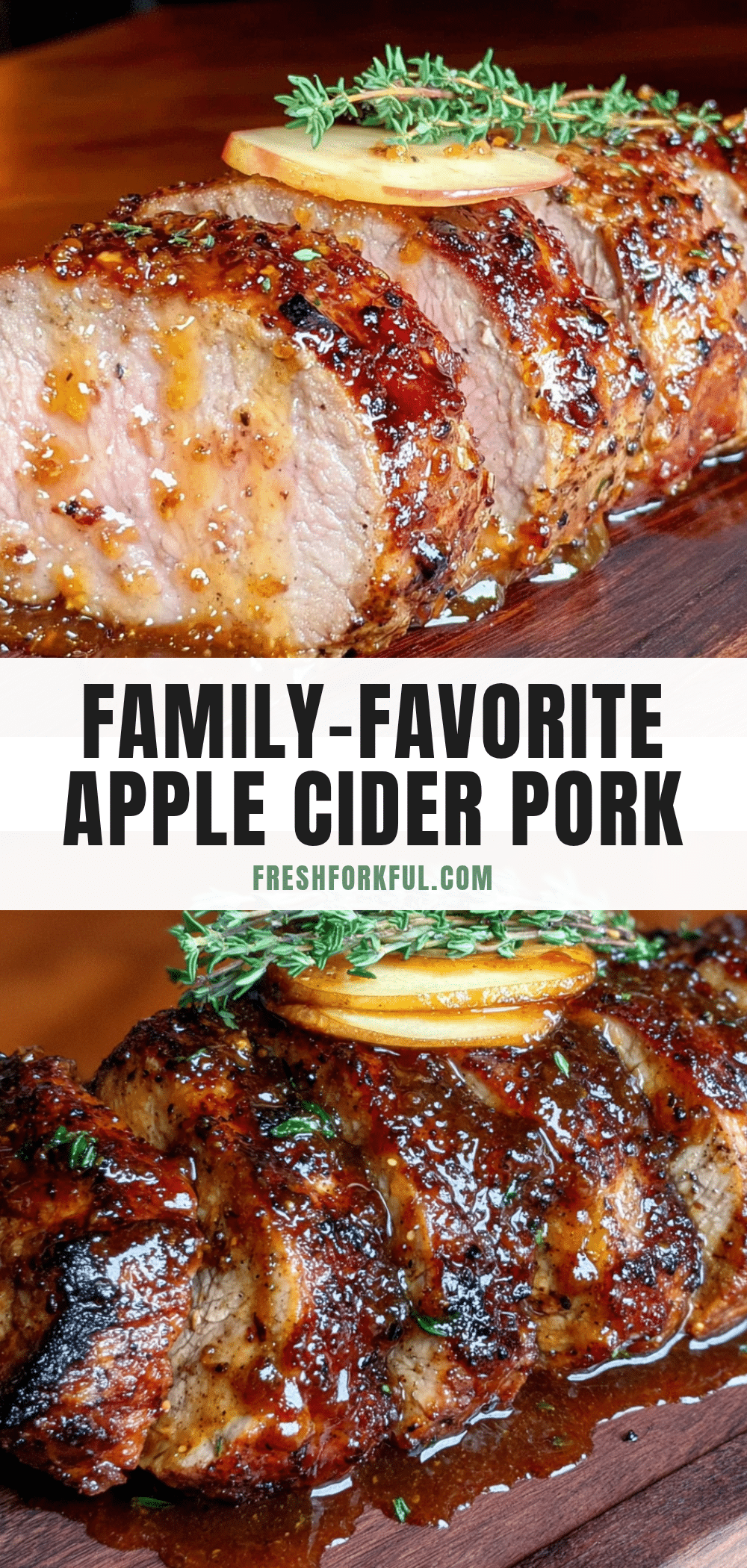
Best Easy Apple Cider Braised Pork Tenderloin

This tender, juicy pork tenderloin is braised in apple cider with onions, garlic, and Dijon mustard for a sweet and savory fall-inspired meal. It’s a budget-friendly, one-pan wonder that’s perfect for busy weeknights or impressive enough for company.
- Prep Time: 15 minutes
- Cook Time: 45 minutes
- Total Time: 1 hour
- Yield: 4 servings 1x
- Category: Main Course
- Cuisine: American
Ingredients
- 1.5 to 2 pounds pork tenderloin
- 2 cups apple cider
- 1 cup low-sodium chicken broth
- 1 large yellow onion, sliced
- 4 cloves garlic, minced
- 2 tablespoons Dijon mustard
- 4 sprigs fresh thyme
- 2 bay leaves
- 2 tablespoons unsalted butter
- 1 tablespoon olive oil
- Salt and black pepper to taste
- 1 tablespoon cornstarch (optional, for thickening)
Instructions
- Preheat oven to 325°F (163°C). Let pork tenderloin sit at room temperature for 15 minutes.
- Pat pork dry with paper towels. Season generously with salt and pepper.
- Heat butter and olive oil in a large oven-safe skillet or Dutch oven over medium-high heat until butter stops foaming.
- Sear pork for 3-4 minutes per side until deep golden brown. Remove to a plate.
- Reduce heat to medium. Add sliced onion and cook 5-6 minutes, scraping up browned bits, until soft and starting to caramelize.
- Add minced garlic and cook 30 seconds until fragrant.
- Pour in apple cider and chicken broth. Scrape up any remaining browned bits.
- Stir in Dijon mustard. Add thyme sprigs and bay leaves.
- Return pork to the pot, nestling into the liquid. Liquid should come about halfway up the meat.
- Bring to a gentle simmer on stovetop, then cover and transfer to preheated oven.
- Braise for 35-45 minutes until internal temperature reaches 145°F (63°C).
- Remove pork to a cutting board, tent with foil, and rest for 10 minutes.
- While pork rests, remove thyme sprigs and bay leaves from sauce. If desired, whisk cornstarch slurry (1 tablespoon cornstarch mixed with 2 tablespoons cold water) into simmering sauce and cook 2-3 minutes until thickened. Alternatively, simmer sauce uncovered for 5 minutes to reduce.
- Slice pork against the grain into 1/2-inch medallions. Arrange on platter and spoon sauce and caramelized onions over top.
Notes
Don’t skip searing—it builds flavor. Use a meat thermometer for perfect doneness. Let pork rest before slicing. Taste sauce and adjust sweetness with a splash of apple cider vinegar or brown sugar if needed.
Nutrition
- Serving Size: 1 serving (about 6-8
- Calories: 400
- Sugar: 13
- Sodium: 600
- Fat: 15
- Saturated Fat: 6
- Carbohydrates: 20
- Fiber: 1
- Protein: 40
Keywords: pork tenderloin, apple cider, braised pork, fall recipe, one-pan meal, budget-friendly, easy dinner