Love this? Save it for later!
Share the inspiration with your friends
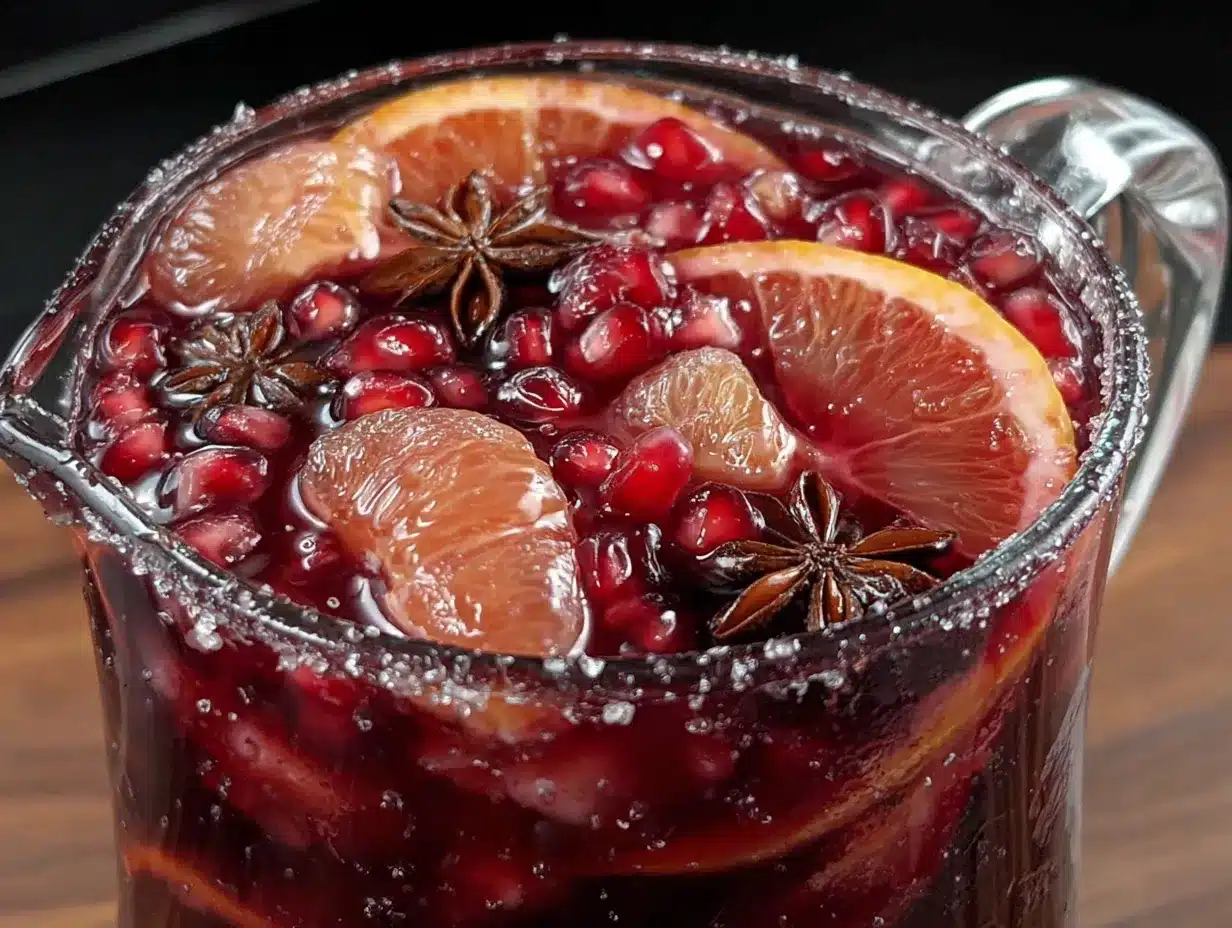
My neighbor Rosa watched me hauling bags of groceries up the porch steps one chilly October afternoon, the wind whipping dead leaves around my ankles. She didn’t say anything at first, just shook her head with this knowing smile. Then she called out, “You’re overthinking it, honey. Halloween punch shouldn’t be a project.” She came over later with a mason jar full of something so deep red it looked like liquid garnet, with little seeds floating and catching the light. “Blood oranges and pomegranate,” she said, handing it over. “Tastes like autumn in a glass. No stress allowed.”
I’ll be honest—I was skeptical. I mean, I’d spent years making complicated Halloween cocktails with dry ice and creepy garnishes and all sorts of theatrical nonsense. They looked impressive for about ten minutes, then the ice melted and everything got watery and sad. Rosa’s sangria was different. It was simple, but it had this warmth to it, like she’d somehow bottled up a cozy October evening. The blood oranges gave it this almost smoky sweetness, and the pomegranate seeds burst with little pops of tartness. I took one sip and felt something shift in my chest—like, why had I been making this so hard?
I’ve tweaked her recipe a bit over the years, adding a touch of cinnamon and letting it sit longer to really meld the flavors. But the heart of it is still hers: a drink that’s meant to be shared with people you actually like, on a night when you want to feel warm and a little bit magical. Maybe you’ve been there—staring at complicated cocktail recipes and wondering if it’s really worth the effort. Let me tell you, this one is. It’s the kind of punch that makes people close their eyes after the first sip, and honestly, that’s the whole point.
Why You’ll Love This Recipe
This isn’t just another Halloween punch recipe that looks good on Instagram but tastes like sad fruit juice. I’ve tested this sangria at four different parties now, tweaking the ratios and the steeping time, and I can confidently say this version is the one. Here’s why it works:
- Quick & Easy: Comes together in about 15 minutes of active prep. The hardest part is slicing oranges, and you can totally handle that.
- Simple Ingredients: No weird syrups, no specialty liqueurs you’ll never use again. Everything is available at a regular grocery store.
- Perfect for Halloween Parties: That deep blood-red color is naturally spooky without any artificial coloring. It’s dramatic and gorgeous, but in a subtle way.
- Crowd-Pleaser: I’ve served this to people who “don’t like sangria” and watched them go back for thirds. The blood orange flavor is different enough to surprise people.
- Make-Ahead Friendly: In fact, it’s better if you make it a few hours ahead. The flavors need time to get to know each other.
What makes this version different from the hundreds of other sangria recipes out there? It’s the balance. Most fruit punches are either too sweet or too tart, or they have that weird “alcohol taste” that hasn’t mellowed out. This one uses the natural sweetness of blood oranges and pomegranate juice, with just enough cinnamon to make it feel cozy without turning into a holiday drink. It’s Halloween-appropriate but not gimmicky—you know, the kind of drink you’d actually want to sip on a cold October night, not just photograph for your feed.
This recipe is the kind that makes you hold the glass a little longer, letting the warmth of the wine and the spices settle into you. It’s comfort in a cup, honestly. The first time I made it for a Halloween get-together, my friend Sarah took one sip and said, “This tastes like a hug from someone who really gets you.” And that’s exactly what it is.
What Ingredients You Will Need
This recipe uses simple, whole ingredients that work together to create something genuinely special. Most of these are pantry staples or easy to find at any grocery store, especially in the fall when blood oranges and pomegranates are in season.
For the Sangria Base
- 1 bottle (750 ml) dry red wine – I recommend a Spanish Tempranillo or a medium-bodied Merlot. Nothing too oaky or tannic. (I’ve had great results with Bodegas Norton Tempranillo – it’s affordable and has that nice earthy backbone.)
- 1 cup (240 ml) pomegranate juice – Look for 100% pomegranate juice, not a juice blend. POM Wonderful works perfectly, but store brands are fine too. (The pure stuff gives you that deep color and tartness without added sugar.)
- 1/2 cup (120 ml) blood orange juice – Fresh-squeezed from 2-3 blood oranges. You can use regular orange juice in a pinch, but the blood oranges give it that dramatic color and slightly floral flavor.
- 1/4 cup (60 ml) orange liqueur – Triple sec or Cointreau works beautifully. Grand Marnier is lovely if you want a slightly richer flavor. (I usually go with Cointreau because it’s clean and lets the fruit shine.)
- 2 tablespoons (30 ml) honey or agave syrup – Adjust based on your sweetness preference. The honey adds a nice depth that sugar doesn’t. (If your blood oranges are very sweet, you might only need 1 tablespoon.)
- 1 cinnamon stick – Just one. It’s a background note, not the main event.
- 1 star anise – Optional, but it adds this subtle licorice warmth that’s very cozy on a cold night.
For the Fruit
- 3 blood oranges – 2 for juicing, 1 for slicing into rounds. Look for ones that feel heavy for their size—that means they’re juicy.
- 1 pomegranate – You’ll need the seeds (arils) from one medium pomegranate. That’s about 1/2 cup of seeds. (Pro tip: Roll the pomegranate on the counter before cutting to loosen the seeds.)
- 1 apple – A crisp variety like Honeycrisp or Fuji. Cut into thin slices. The apple soaks up the wine and becomes almost candy-like after a few hours.
- Optional: 1/2 cup fresh cranberries – These add a gorgeous pop of color and a little tart bite. Plus they float, which looks beautiful in the punch bowl.
One thing I’ve learned the hard way: don’t skip the steeping time. I made this once for a party that started immediately after I mixed everything, and it was fine, but not magical. The fruit needs at least two hours to absorb the wine and release its own flavors back into the sangria. The difference between a one-hour steep and a four-hour steep is honestly noticeable—the longer one has this rounded, integrated flavor that tastes like you spent way more effort than you actually did.
If you’re making this for a crowd, you can easily double or triple the recipe. Just use a larger pitcher or a punch bowl, and adjust the steeping time slightly—larger volumes need a bit more time for the flavors to marry.
Equipment Needed
Nothing fancy here, which is part of the beauty of this recipe. You probably already own everything you need:
- Large pitcher or punch bowl – A 2-quart (2-liter) pitcher works perfectly. Glass is ideal so you can see those gorgeous colors.
- Citrus juicer – A simple handheld reamer works fine. I’ve used the same $5 one for years and it still does the job.
- Cutting board and sharp knife – For slicing the oranges and apple. A serrated knife works best for citrus.
- Measuring cups and spoons – For the juice, liqueur, and honey.
- Wooden spoon or long-handled stirrer – To mix everything together without crushing the fruit.
- Fine-mesh strainer – Optional, if you want to strain out the seeds before serving. I personally leave them in because they look beautiful, but some people prefer a smoother drink.
If you don’t have a punch bowl, don’t worry about it. I’ve served this from a big mason jar, a clean plastic dispenser, and even a repurposed pickle jar (washed thoroughly, obviously). The drink doesn’t care what container it’s in. What matters is the flavor.
Preparation Method
- Prepare the fruit (5 minutes)
Slice 1 blood orange into thin rounds, about 1/4-inch thick. Cut the rounds in half if you want them to fit nicely in the pitcher. Slice the apple into thin wedges, removing the core. Cut the pomegranate in half and gently tap the back with a wooden spoon to release the seeds into a bowl. Pick out any white pith pieces that fall in. - Juice the citrus (3 minutes)
Juice the remaining 2 blood oranges. You should get about 1/2 cup of juice. If you’re short, supplement with a regular orange—no one will know. Set the juice aside. - Build the base (2 minutes)
In your pitcher or punch bowl, combine the red wine, pomegranate juice, blood orange juice, orange liqueur, and honey. Stir until the honey dissolves completely. (If your honey is stubborn, warm it slightly in the microwave for 10 seconds to make it easier to mix.) - Add the aromatics (1 minute)
Drop in the cinnamon stick and star anise (if using). Give everything a gentle stir. Don’t crush the cinnamon stick—you want it to infuse slowly, not aggressively. - Add the fruit (2 minutes)
Add the sliced blood oranges, apple wedges, pomegranate seeds, and cranberries (if using). Stir gently to distribute the fruit evenly. (Don’t mash the fruit—you want it to look pretty, not pulpy.) - Chill and steep (2-4 hours minimum)
Cover the pitcher and refrigerate for at least 2 hours. Overnight is even better. The sangria will deepen in color and flavor as it sits. (Taste it after 2 hours—if it’s not as flavorful as you’d like, let it go longer.) - Serve (2 minutes)
Fill glasses with ice (if desired) and pour the sangria, making sure to include some of the fruit in each glass. The pomegranate seeds will settle at the bottom, so give the pitcher a gentle swirl before each pour to redistribute them. - Garnish (optional, 1 minute)
Add a fresh blood orange slice or a small sprig of rosemary to each glass for a finishing touch. Rosemary adds a lovely aromatic note that complements the cinnamon.
A quick note about timing: if you’re serving this at a party, make it in the morning or even the night before. The sangria will be at its peak flavor after 6-8 hours of steeping, and it takes the pressure off you right before guests arrive. I’ve made the mistake of rushing this step, and honestly, the difference is noticeable. Patience pays off here.
One more thing—don’t be alarmed if the sangria looks slightly cloudy at first. The pomegranate juice and citrus can create a bit of haze, especially if your juice was fresh-pressed. It clears up as it chills and the flavors meld. If you prefer a crystal-clear sangria, strain it through a fine-mesh sieve before serving, but you’ll lose the pretty fruit. I say embrace the cloudiness—it’s natural and homemade-looking.
Cooking Tips & Techniques
I’ve made this sangria maybe twenty times now, and I’ve definitely learned a few things the hard way. Here’s what I wish someone had told me:
Don’t use expensive wine. I know it’s tempting to grab that nice bottle you’ve been saving, but honestly, you can’t taste the difference once it’s mixed with fruit and juice. A $10 bottle of dry red wine works perfectly. What you do want to avoid is cooking wine or anything labeled “sweet” or “dessert”—those will make your sangria cloying and unbalanced. A dry red gives you the structure without the sugar overload.
Temperature matters more than you think. Serve this sangria cold, but not ice-cold. If it’s too cold, the flavors get muted and you lose all those lovely fruit notes. I let it sit out for about 10 minutes after taking it from the fridge before serving. That little bit of warming lets the wine open up and the spices become more present. It’s a small thing, but it makes a difference.
Taste and adjust before serving. Everyone’s palate is different, and your blood oranges might be sweeter or tarter than mine. Before guests arrive, pour yourself a small glass and taste it. Too tart? Add a splash more honey or a little simple syrup. Too sweet? A squeeze of fresh lemon juice will balance it right out. Too strong? A splash of soda water or ginger ale will lighten it up. Don’t be afraid to adjust—cooking (and drink-making) is about your taste, not following rules.
One mistake I made early on: I added the fruit too early and let it steep for almost 24 hours. The fruit got mushy and started breaking apart, and the sangria had this weird, over-extracted flavor that was almost bitter. The sweet spot is 4-6 hours. If you’re making it a day ahead, add the fruit 4-6 hours before serving, not at the beginning. Just steep the liquid and spices overnight, then add the fruit closer to serving time.
Multitasking tip: While the sangria is steeping, you can prep everything else for your party. I usually make the sangria first, then move on to setting up the snack table or tidying up. It’s one less thing to worry about when guests arrive, and the sangria just gets better while you’re busy.
Variations & Adaptations
This recipe is surprisingly flexible, and I’ve tried quite a few variations over the years. Here are some of my favorites:
Non-Alcoholic Version
Swap the red wine for a good-quality alcohol-free red wine (I like Fre or Ariel brands) and replace the orange liqueur with a splash of orange juice concentrate or a bit more blood orange juice. The flavor is still rich and complex, and it looks just as gorgeous in the punch bowl. I’ve served this at parties where half the guests were drinking the non-alcoholic version and they didn’t feel left out at all.
Spiced Winter Sangria
Add a split vanilla bean and a few cloves along with the cinnamon stick. This makes it feel more like a holiday drink, perfect for Thanksgiving or Christmas parties. The vanilla adds this creamy warmth that’s really lovely with the blood orange.
Sparkling Sangria
Before serving, top off the pitcher with about 1 cup of sparkling water or ginger ale. This lightens up the drink and adds a festive fizz. I do this when I’m serving it at a daytime brunch or a less formal gathering. The bubbles make it feel celebratory without being fussy.
Dairy-Free and Vegan
This recipe is naturally dairy-free and vegan if you use agave instead of honey. Everything else is plant-based, so it’s perfect for guests with dietary restrictions. Just double-check your wine label—some wines use animal-based fining agents, but most affordable reds are vegan-friendly.
Low-Sugar Option
Use a dry red wine and skip the honey or agave entirely. The fruit adds enough natural sweetness, especially if your blood oranges are ripe. You can also use a sugar-free pomegranate juice (though I find it less flavorful). This version is a bit tarter, but some people prefer that—it’s more refreshing and less dessert-like.
Serving & Storage Suggestions
This sangria is best served chilled, straight from the fridge. I like to use large wine glasses or even mason jars for a casual feel. Fill each glass about halfway with ice (if you want it extra cold) and ladle the sangria over the top, making sure to include some fruit in each serving. The pomegranate seeds look like little jewels floating in the glass, and the blood orange slices add a beautiful pop of color.
What to serve with it: This sangria pairs beautifully with a cheese board—think aged cheddar, manchego, or a creamy brie. The wine’s fruitiness complements the saltiness of the cheese perfectly. It’s also great with roasted nuts, dark chocolate, or even a simple charcuterie plate. For a full party spread, I love serving it alongside my spicy roasted pumpkin soup—the warmth of the soup and the cool sangria balance each other beautifully.
Storage: Leftover sangria keeps well in the refrigerator for up to 3 days. The fruit will continue to soften and release flavor, so the sangria will taste different (but still good) on day two. If you’re planning to keep it longer than a day, I recommend removing the fruit after 6 hours and storing the liquid separately. You can add fresh fruit when you’re ready to serve again.
Freezing: You can freeze the sangria in an airtight container for up to a month. Thaw it in the refrigerator overnight and give it a good stir before serving. The texture might be slightly different (the alcohol prevents it from freezing solid, so it’ll be slushy), but the flavor holds up well. I’ve done this when I had a big batch left over from a party, and it was still delicious a few weeks later.
Reheating: Don’t. This is a cold drink. If you want a warm version, heat the red wine with the spices and a splash of pomegranate juice for a mulled wine variation, but that’s a completely different recipe.
One thing I’ve noticed: the sangria actually gets better on the second day. The flavors mellow and integrate in a way that’s really satisfying. So if you’re making it for a party, don’t stress if you have leftovers—they’re a bonus.
Nutritional Information & Benefits
Let’s be real—this is a cocktail, so we’re not pretending it’s a health drink. But there are some genuinely good things happening in this glass:
Estimated per serving (1 cup, without ice):
- Calories: 180-220 (depending on wine and sweetener)
- Carbohydrates: 18-24g
- Sugar: 14-18g (mostly from fruit and juice)
- Alcohol: about 1 standard drink
Health highlights: Blood oranges are packed with vitamin C and anthocyanins—those are the pigments that give them their deep red color, and they’re powerful antioxidants. Pomegranate seeds are also antioxidant-rich and contain fiber. Red wine, in moderation, contains resveratrol, which has been linked to heart health. So while this isn’t a health food, it’s definitely a smarter choice than a sugary cocktail made with artificial syrups and neon-colored mixers.
Dietary considerations: This recipe is naturally gluten-free, dairy-free, and vegan (if you use agave). The main allergens to watch for are sulfites in wine (some people are sensitive) and the potential for cross-contamination if you’re serving it to someone with severe allergies. Always check your labels if you’re cooking for someone with dietary restrictions.
My personal take: I’d rather have one glass of this beautiful, thoughtfully made sangria than three glasses of some artificially colored punch that leaves me with a headache. It’s about quality over quantity, and this recipe delivers on that front.
Conclusion
This blood orange Halloween sangria has become my go-to for fall gatherings, and I don’t see that changing anytime soon. It’s the kind of recipe that makes you look like you put in way more effort than you actually did, which is honestly my favorite kind of recipe. The deep red color is naturally dramatic, the flavors are warm and inviting, and it genuinely tastes better the longer it sits—which means less stress for you and more time to actually enjoy your own party.
I love that this recipe came from a neighbor who just handed me a jar and said, “Try this.” No fuss, no complicated instructions, no pressure. Just good ingredients and a little bit of patience. That’s the kind of cooking I want to share—the kind that feels like an invitation, not an assignment.
If you make this sangria (and I really hope you do), I’d love to hear how it turned out. Did you add your own twist? Did you serve it with something unexpected? Drop a comment below and let me know—I read every single one, and I genuinely love hearing about your kitchen adventures. And if you’re looking for another cozy fall recipe to round out your party menu, my cinnamon whipped sweet potatoes are always a hit alongside this sangria.
Here’s to cozy nights, good friends, and drinks that feel like a hug. Cheers, friends.
Frequently Asked Questions
Can I make this sangria ahead of time?
Absolutely. In fact, I recommend it. Make the sangria 4-6 hours before serving for the best flavor. If you’re making it more than 8 hours ahead, add the fruit closer to serving time to keep it from getting mushy.
What if I can’t find blood oranges?
Regular navel oranges work fine in a pinch. The color won’t be as dramatic, but the flavor will still be lovely. You can add a splash of cranberry juice to deepen the color if presentation matters to you.
Can I use white wine instead of red?
You can, but it changes the character of the drink significantly. Use a dry white like Sauvignon Blanc or Pinot Grigio, and consider adding a bit more pomegranate juice for color. It’ll be lighter and more refreshing, but it loses that cozy, Halloween-appropriate depth.
How do I get the pomegranate seeds out without making a mess?
Cut the pomegranate in half horizontally. Hold one half cut-side down over a bowl and tap the back firmly with a wooden spoon. The seeds will fall out through your fingers, and the pith will stay in your hand. It’s surprisingly clean and fast once you get the hang of it.
Is this sangria very sweet?
Not at all. The dry red wine balances out the fruit juice, and the honey is used sparingly. It’s more tart and fruity than sweet, which is why it’s so easy to drink. If you prefer sweeter sangria, add an extra tablespoon of honey or use a sweeter wine like a Moscato.
PrintBoozy Blood Orange Sangria: The Best Halloween Party Punch
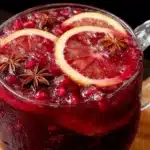
This blood orange sangria is a simple, make-ahead Halloween punch with deep red color and warm, cozy flavors. It’s naturally spooky without artificial coloring and perfect for sharing with friends.
- Prep Time: 15 minutes
- Cook Time: 0 minutes
- Total Time: 2 hours 15 minutes (includes steeping)
- Yield: 6 servings 1x
- Category: Beverage
- Cuisine: Spanish-inspired
Ingredients
- 1 bottle (750 ml) dry red wine (Spanish Tempranillo or medium-bodied Merlot)
- 1 cup (240 ml) pomegranate juice (100% pure)
- 1/2 cup (120 ml) blood orange juice (fresh-squeezed from 2–3 blood oranges)
- 1/4 cup (60 ml) orange liqueur (triple sec or Cointreau)
- 2 tablespoons (30 ml) honey or agave syrup
- 1 cinnamon stick
- 1 star anise (optional)
- 3 blood oranges (2 for juicing, 1 for slicing)
- 1 pomegranate (for seeds, about 1/2 cup)
- 1 apple (Honeycrisp or Fuji, sliced)
- 1/2 cup fresh cranberries (optional)
Instructions
- Prepare the fruit: Slice 1 blood orange into thin rounds (about 1/4-inch thick). Cut rounds in half if desired. Slice apple into thin wedges, removing core. Cut pomegranate in half and tap back with a wooden spoon to release seeds into a bowl. Pick out any white pith.
- Juice the citrus: Juice remaining 2 blood oranges to get about 1/2 cup juice. Supplement with a regular orange if needed.
- Build the base: In a large pitcher or punch bowl, combine red wine, pomegranate juice, blood orange juice, orange liqueur, and honey. Stir until honey dissolves completely. If honey is stubborn, warm it slightly in the microwave for 10 seconds.
- Add the aromatics: Drop in cinnamon stick and star anise (if using). Stir gently.
- Add the fruit: Add sliced blood oranges, apple wedges, pomegranate seeds, and cranberries (if using). Stir gently to distribute fruit without mashing.
- Chill and steep: Cover and refrigerate for at least 2 hours, preferably 4-6 hours. Overnight is even better. Taste after 2 hours and adjust steeping time as needed.
- Serve: Fill glasses with ice (if desired) and pour sangria, including some fruit in each glass. Give pitcher a gentle swirl before each pour to redistribute pomegranate seeds.
- Garnish (optional): Add a fresh blood orange slice or small sprig of rosemary to each glass.
Notes
Don’t use expensive wine; a $10 bottle of dry red works perfectly. Serve cold but not ice-cold; let sit out for 10 minutes after refrigeration. Taste and adjust sweetness/tartness before serving. For best results, steep liquid and spices overnight, then add fruit 4-6 hours before serving. Leftover sangria keeps in refrigerator for up to 3 days; remove fruit after 6 hours if storing longer.
Nutrition
- Serving Size: 1 cup
- Calories: 200
- Sugar: 16
- Sodium: 10
- Carbohydrates: 21
- Fiber: 1
- Protein: 1
Keywords: sangria, Halloween punch, blood orange, pomegranate, fall cocktail, party drink, make-ahead